Teresina: the meeting of the charms of the river and the culture of the Northeast
Known as the “Brazilian Mesopotamia”, Teresina is bathed by two rivers that meet within the city itself and give charm to this fantastic place. In addition, the capital of Piauí also enchants with its history, culture and crafts.
Teresina, the capital of the state of Piauí, is famous for its beautiful freshwater beaches, tree-lined streets, parks and many stories. The city is charming, vibrant and has attractions for all types of tourists.
Teresina’s inviting nature
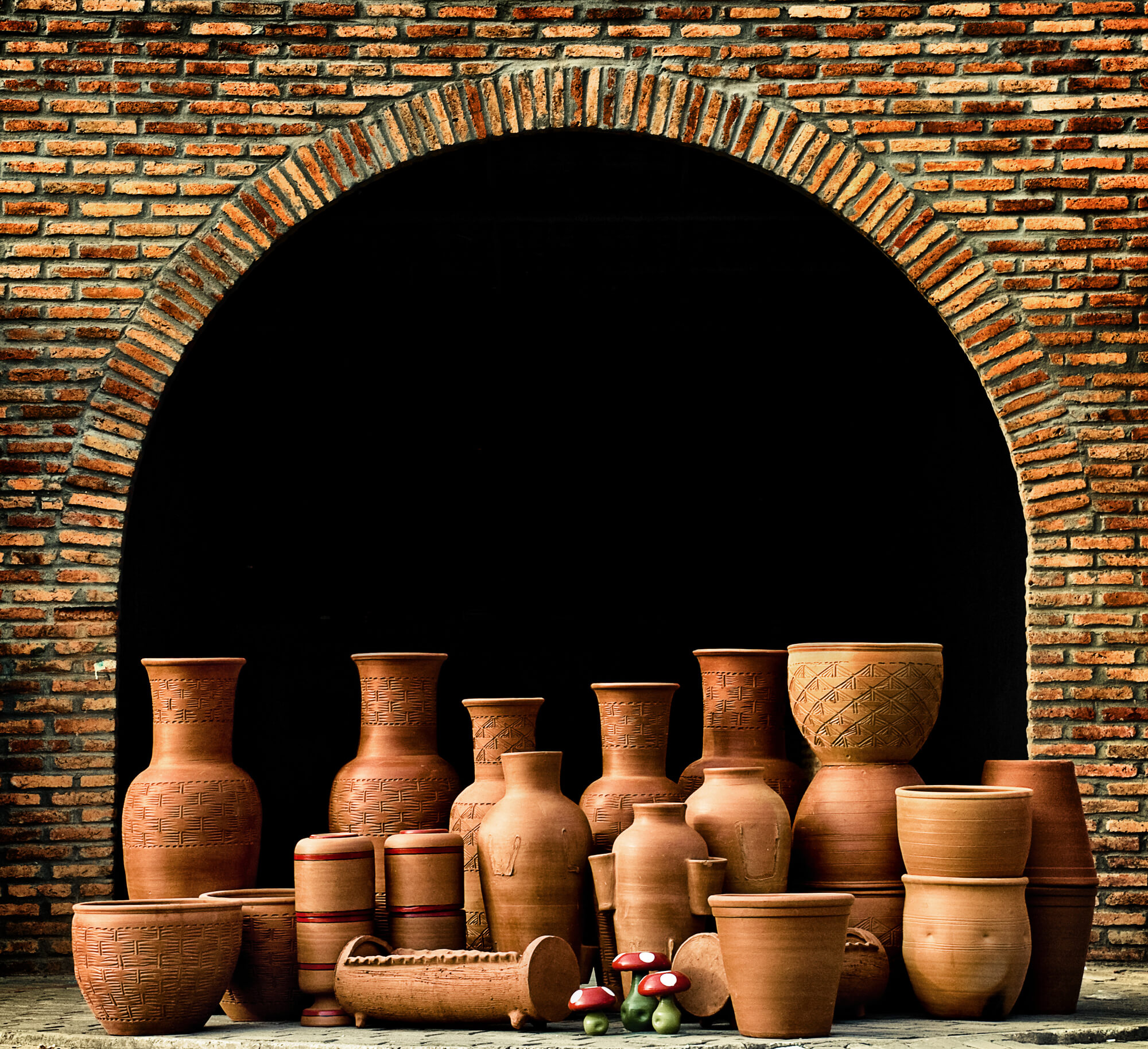
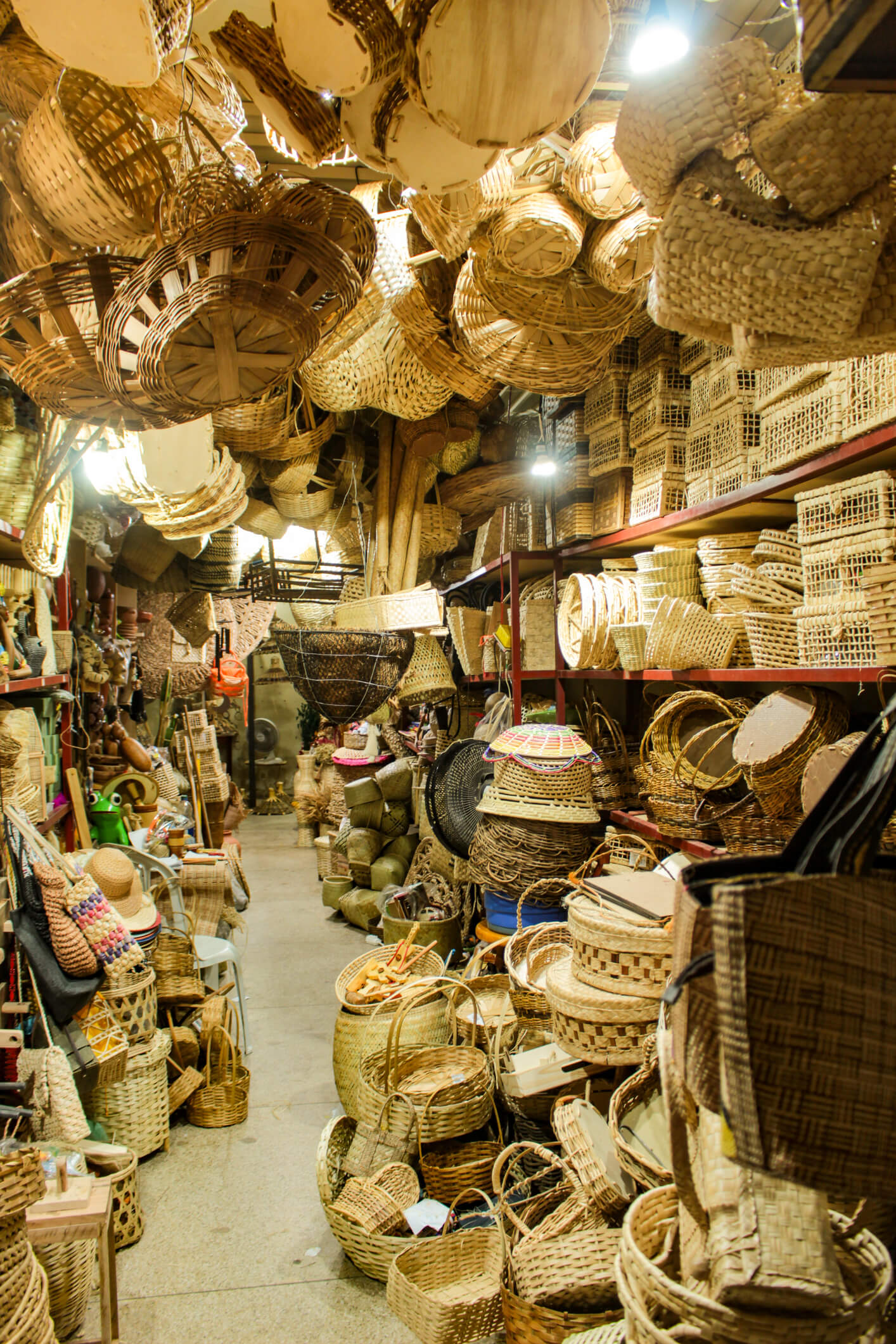
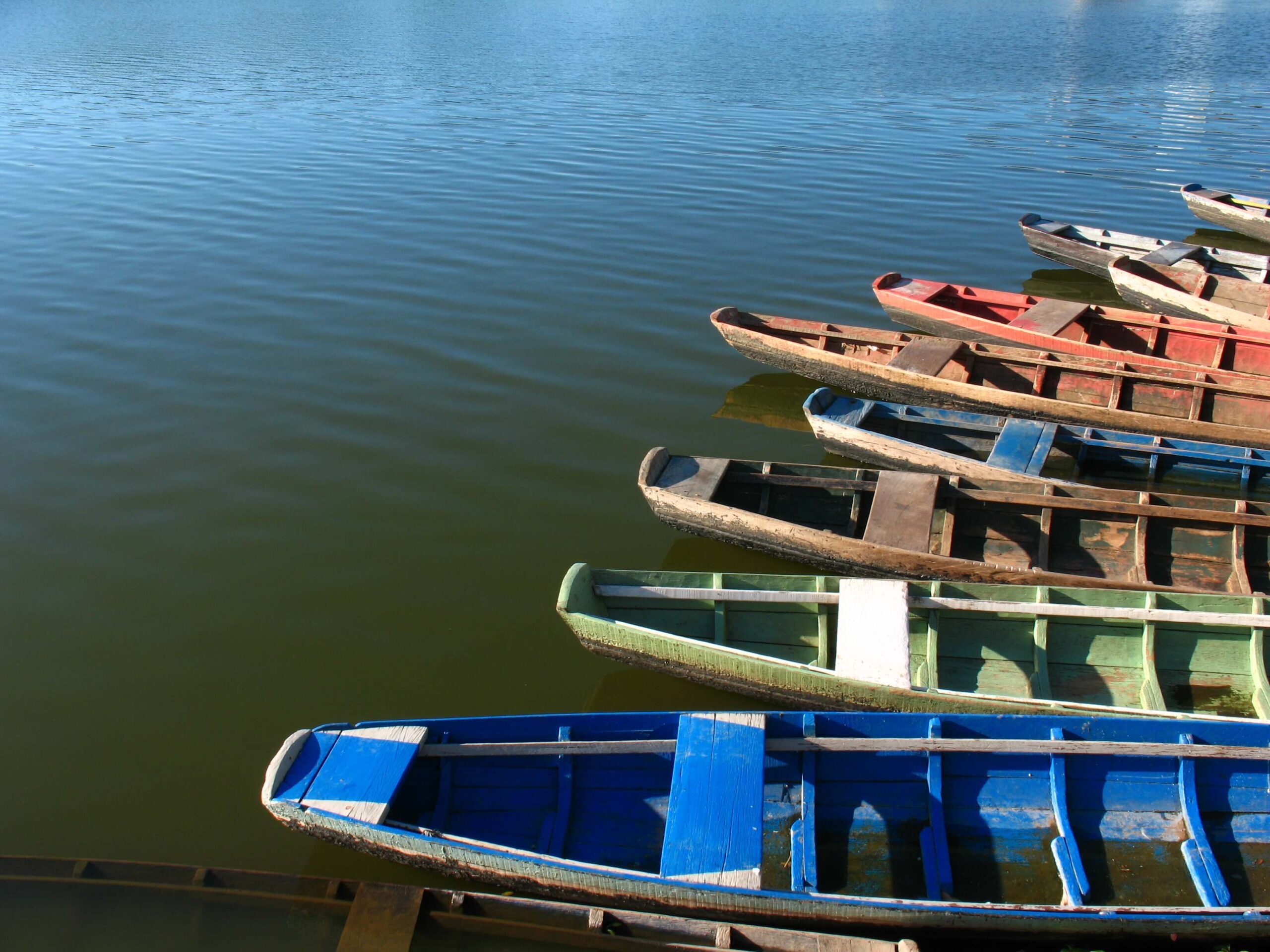
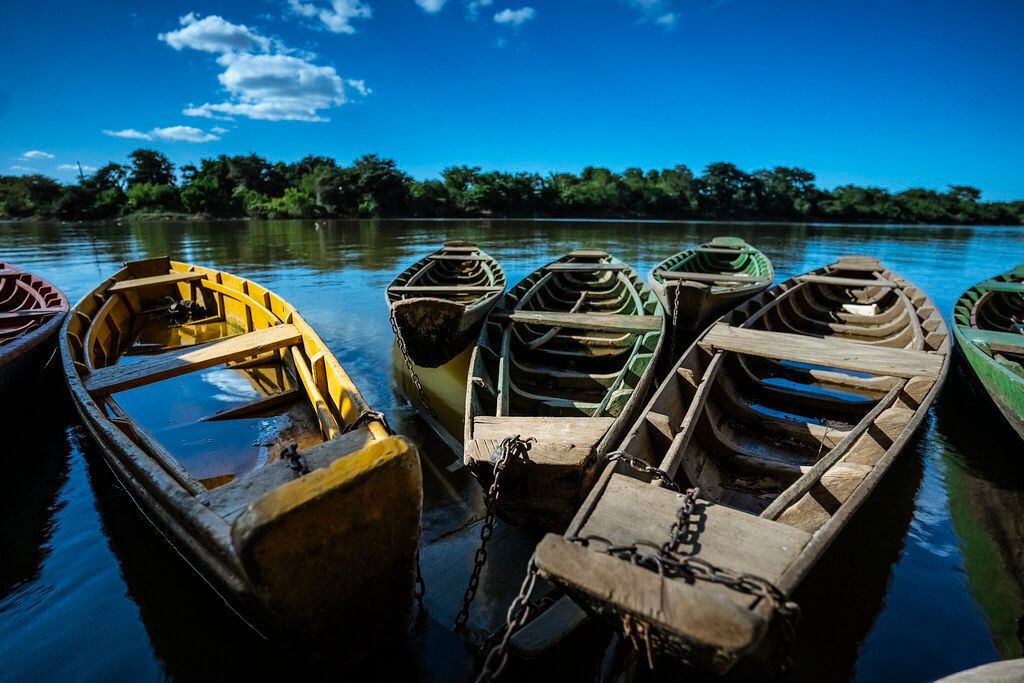
Bathed by the Poti and Parnaíba rivers, the city has the Encontro dos Rios Environmental Park, one of the most famous tourist attractions in the state, where the rivers join and become a single riverbed towards the Atlantic Ocean. In the place, it is also possible to find typical handicrafts from the region, with potters who produce decorative, religious and functional pieces from clay taken from the riverbeds themselves.
The park is just one of the city’s green spaces that preserve intact forest in the heart of the urban area. A good plan is to visit Teresina’s ecological parks, fully connecting with nature.
Fun facts
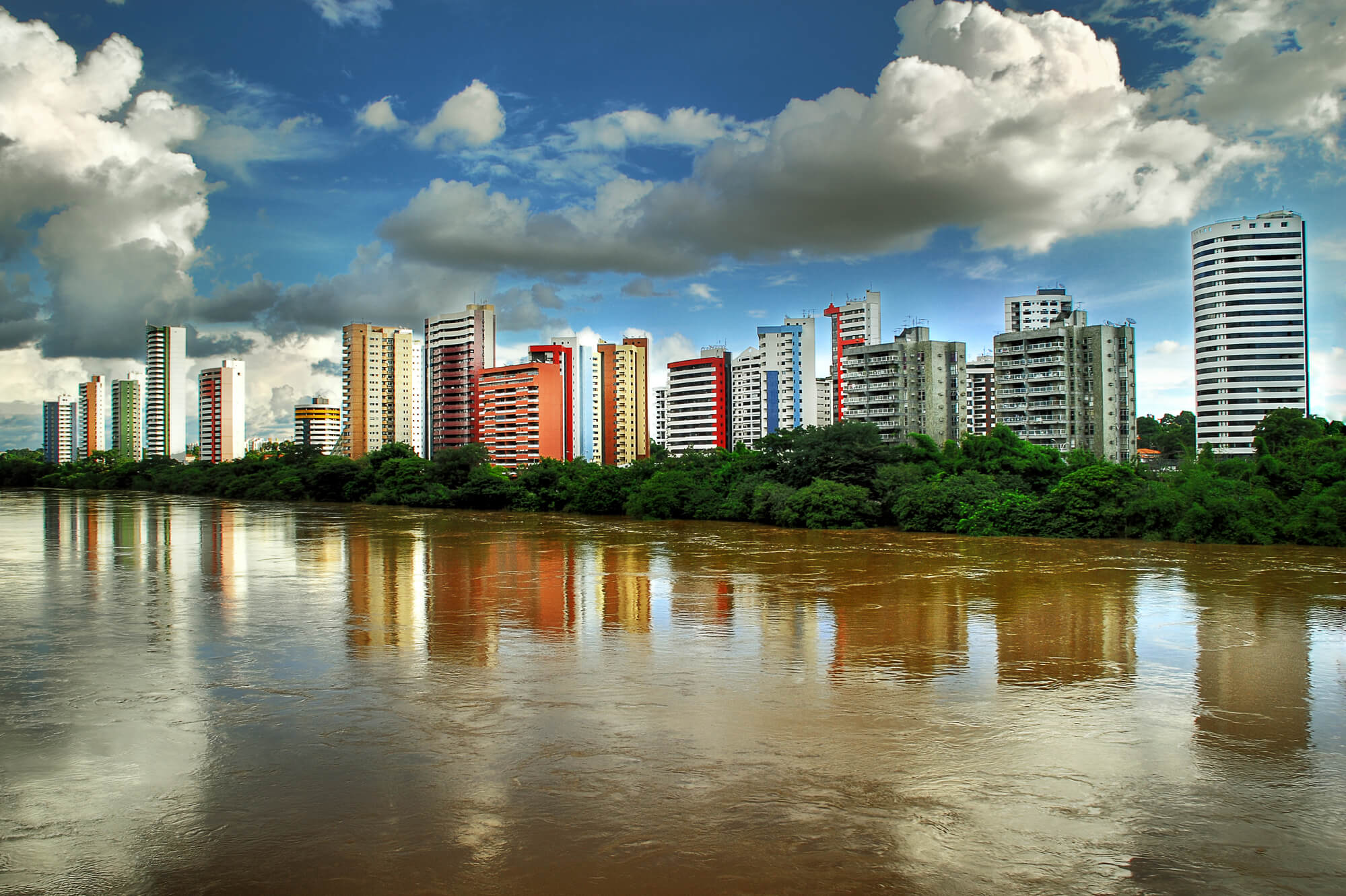
Teresina is the only capital in the Northeast that is not bathed by the sea. On the other hand, it is home to two important rivers, the Parnaíba and the Poti.
The city's name was a tribute to Empress Teresa Cristina Maria de Bourbon, who was the mediator with Emperor Dom Pedro II so that the state capital would become Teresina.
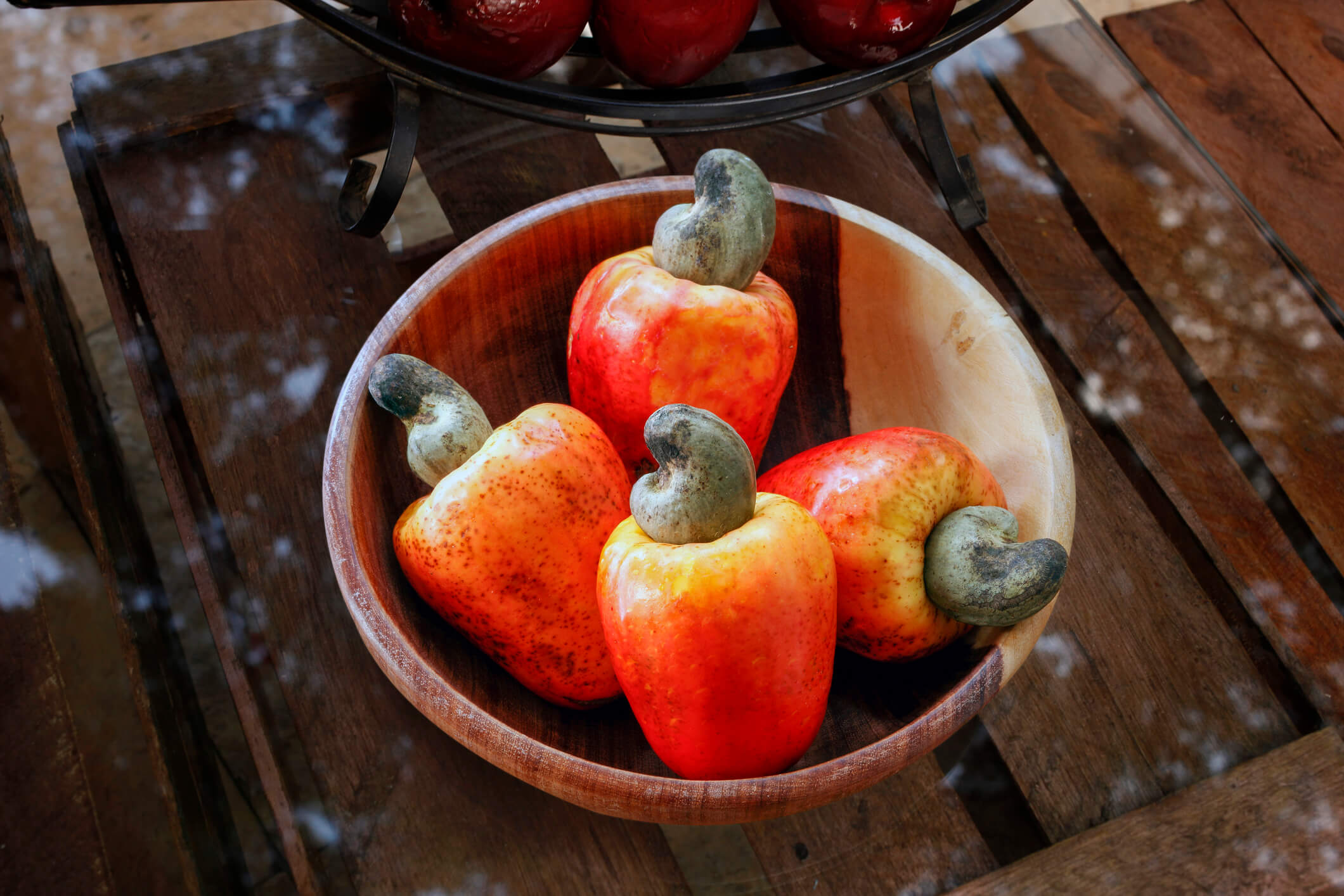
Brazilian singer and composer Caetano Veloso has a song called Cajuína (a typical drink from the city), which was written after Caetano met the father of Torquato Neto, a poet and lyricist from Teresina who died in 1972.
Teresina’s cultural mosaic
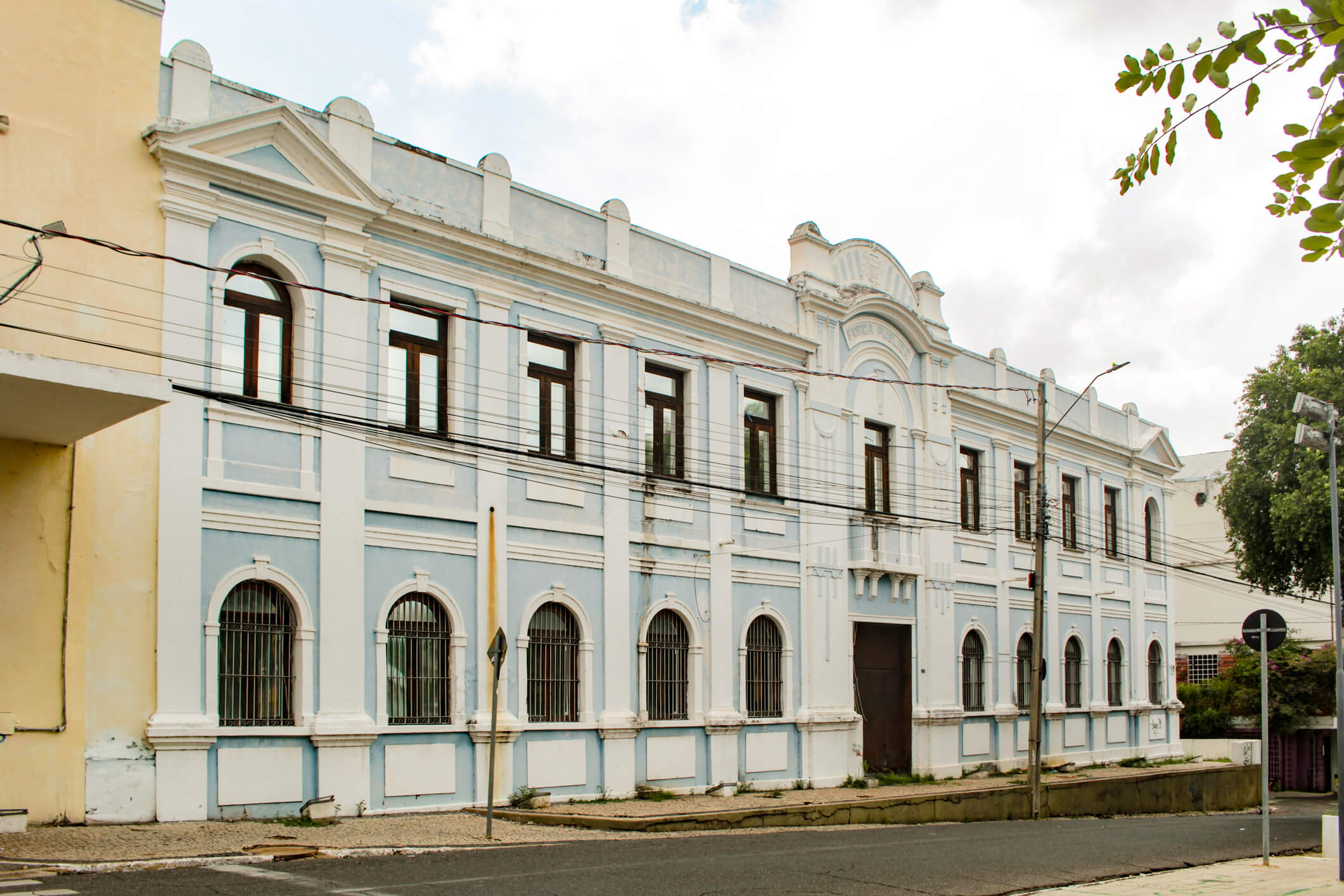
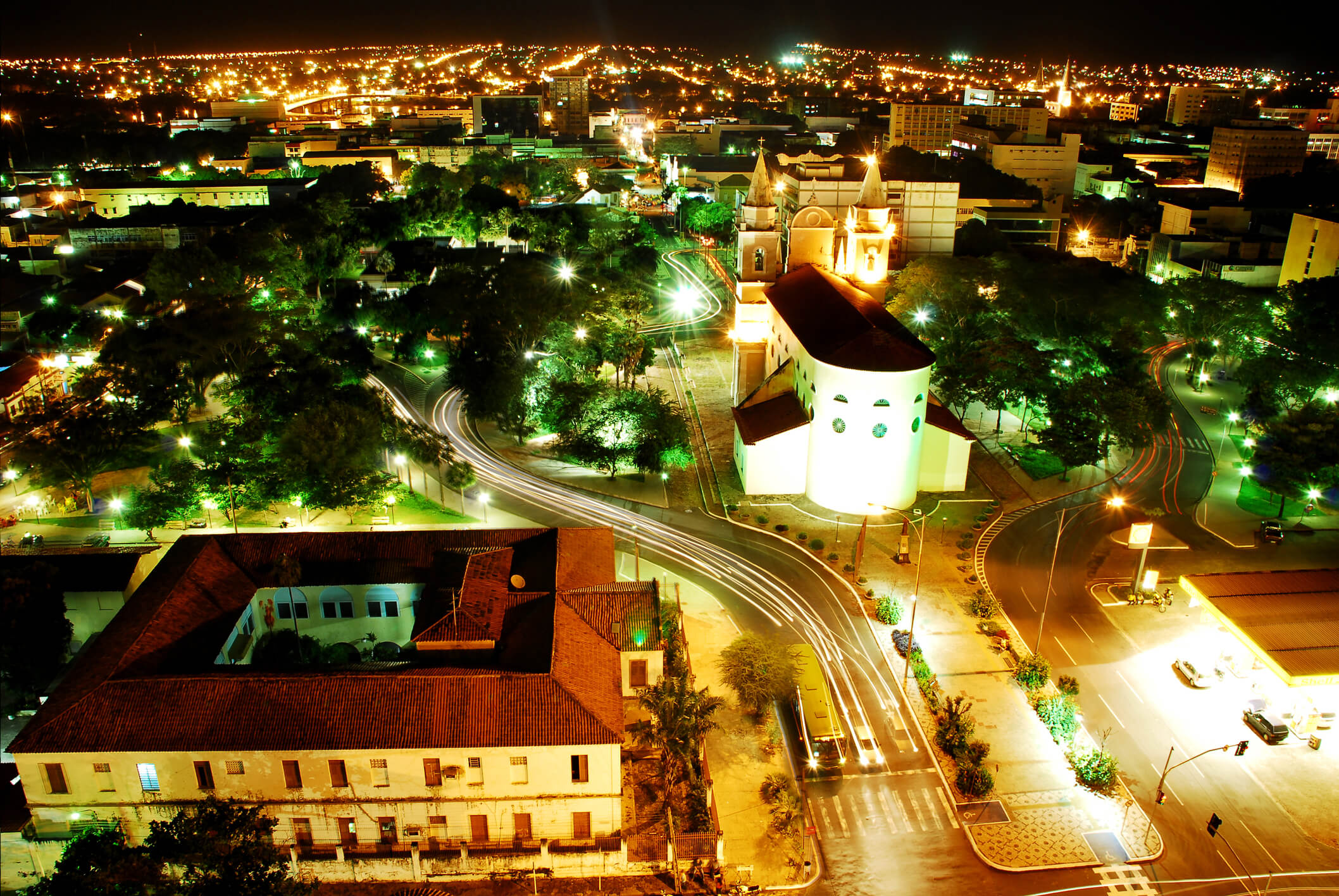
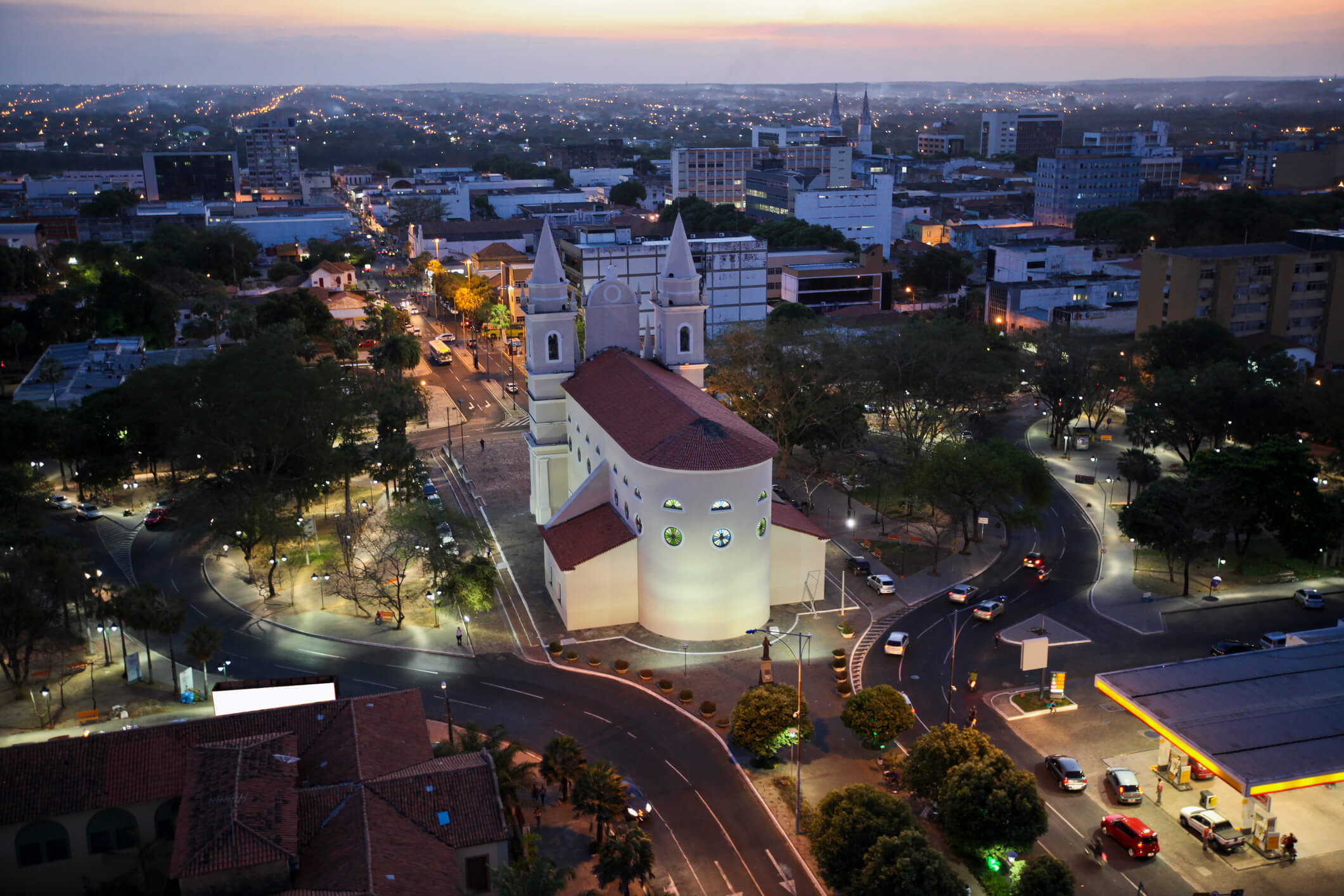
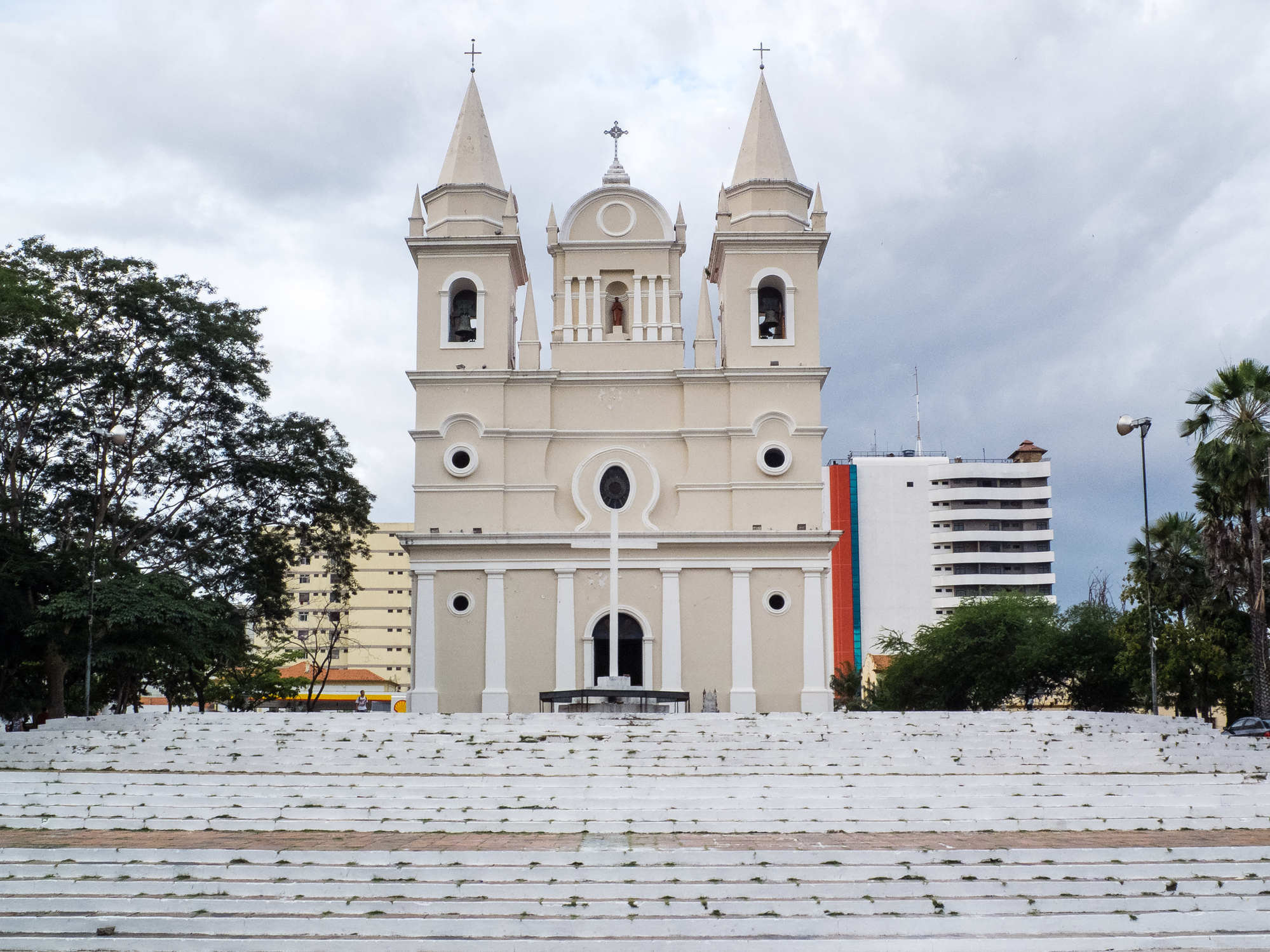
Another route you can take is the religious one, which takes you to churches built at the time the city was founded, such as the Igreja do Amparo, the Igreja das Dores, the Igreja de Nossa Senhora de Lourdes and the Igreja de São Benedito, whose doors are part of the national heritage by the Instituto do Patrimônio Histórico e Artístico Nacional – Iphan.
If you like art, the Museu do Piauí is a great option. Its collection is quite eclectic and has approximately 7 thousand pieces. These include works of art, porcelain and crockery from the West India Company. But if the idea is to enjoy local art, be sure to visit the Pólo Cerâmico do Poty Velho. Opened in 2006, the place has one of the greatest expressions of Teresina’s craftsmanship: ceramics. The activity developed by riverside residents since the 1970s is part of the city’s intangible cultural heritage and has helped to encourage local crafts, which are now sold both inside and outside the country.
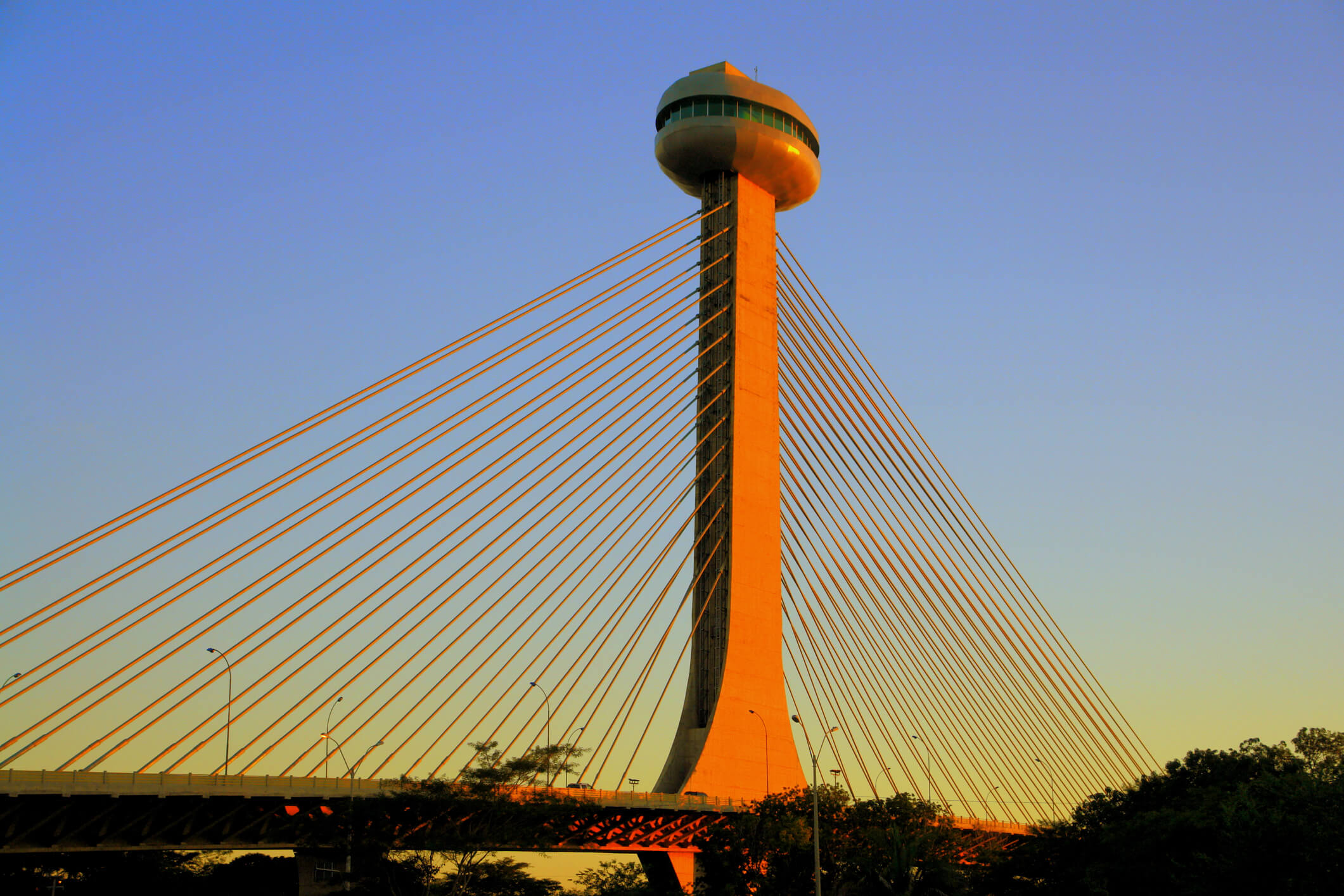
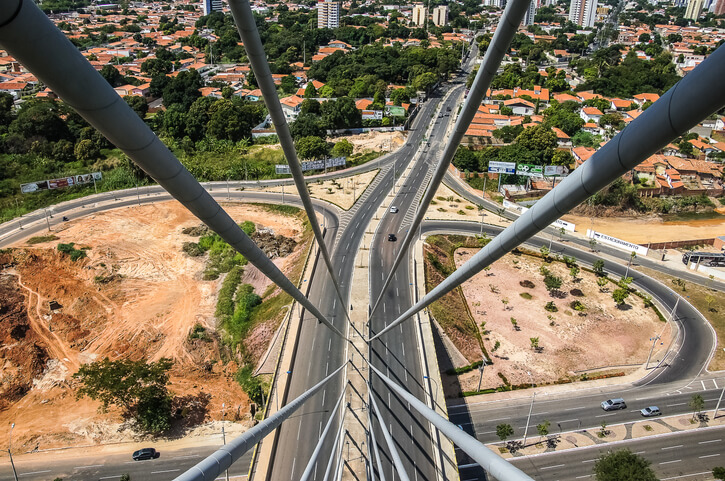
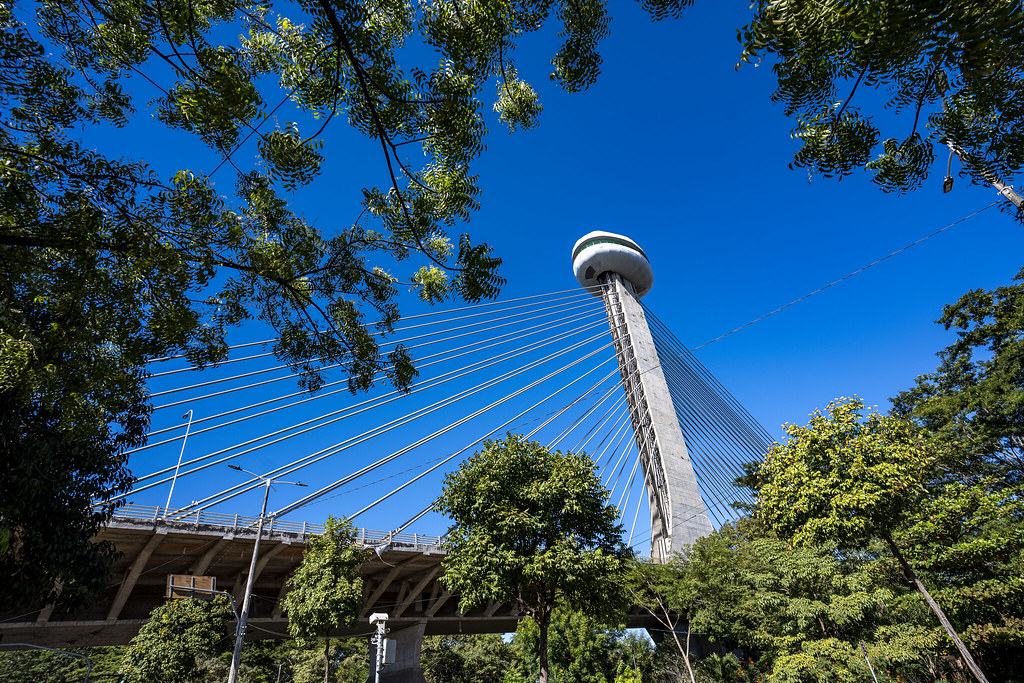
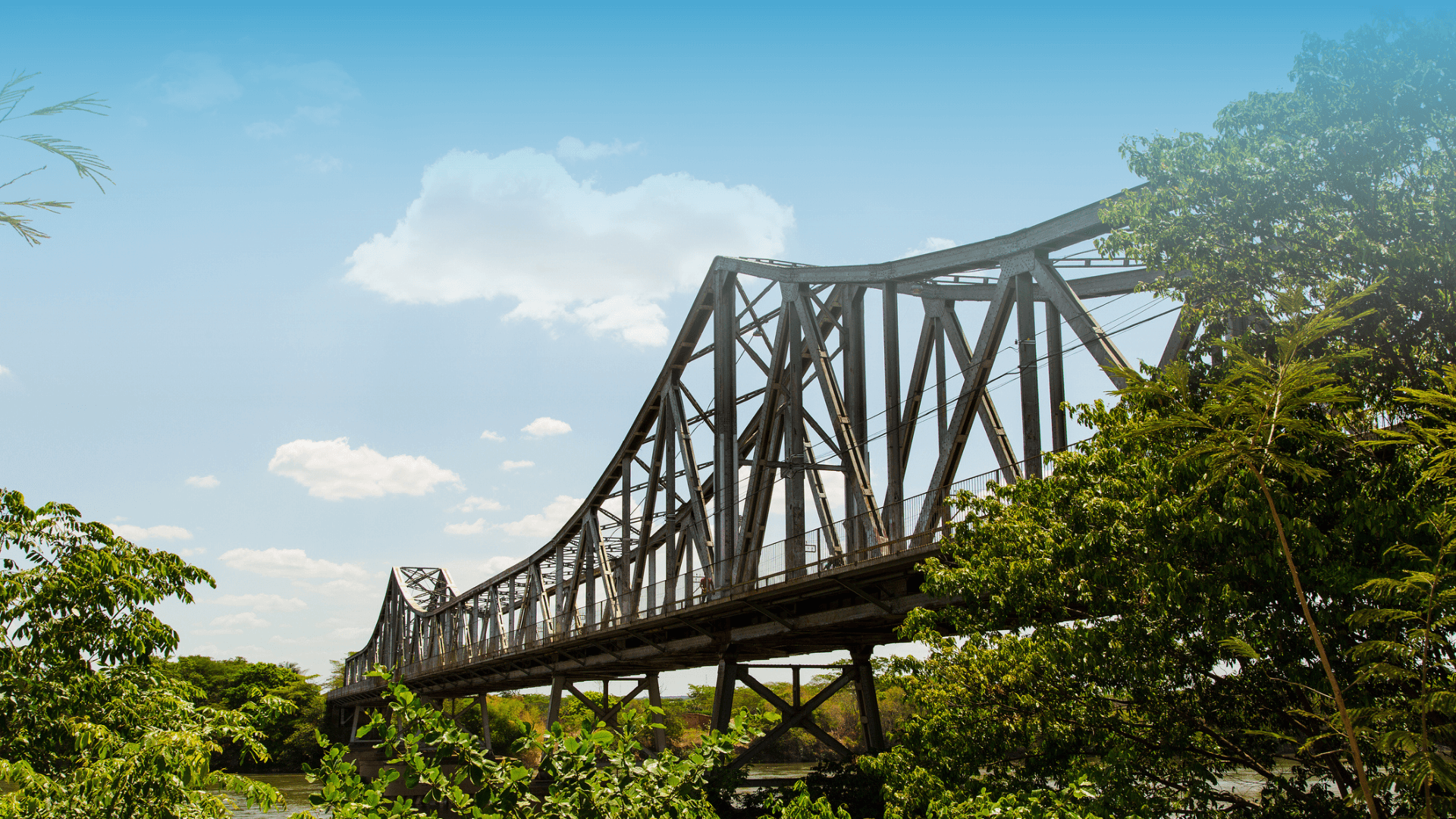
The Mirante Ponte Estaiada Tourist Complex is one of the most beautiful symbols of Teresina. The bridge over the Poti River was built to commemorate Teresina’s 150th anniversary and has a modern structure and a privileged view of the entire city. From the almost 100-meter-high lookout point, there is a beautiful view of the entire city.
Authentic flavors of Teresina’s cuisine
Teresina’s cuisine is a true celebration of the flavors of the Brazilian Northeast. With strong influences from the cuisine of the hinterland, the typical dishes stand out for the diversity of ingredients and the richness of seasonings.
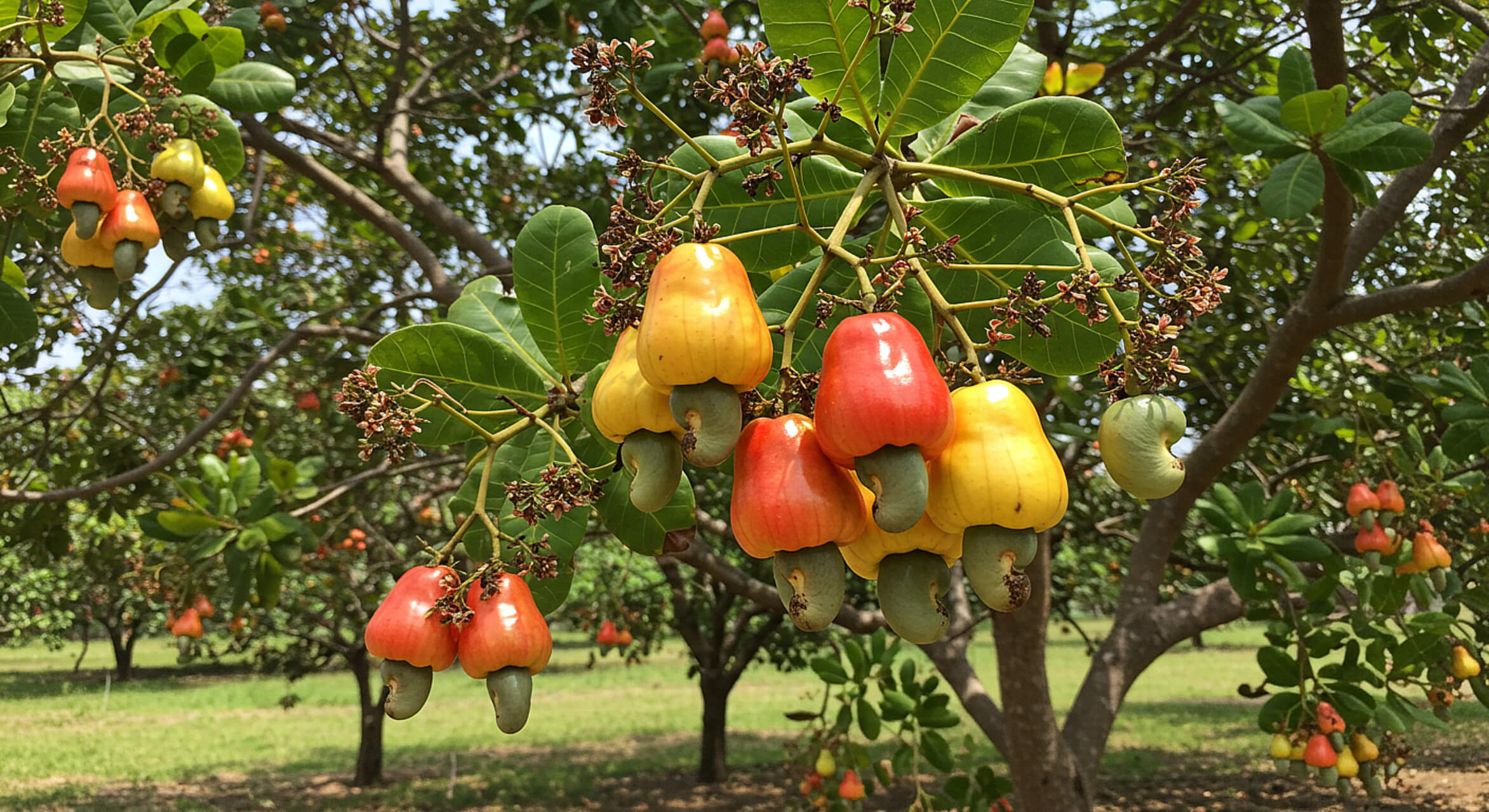
Those who visit Teresina will be enchanted by the local flavors. Capote, a guinea fowl with chili peppers, and Maria Isabel, rice with dried meat, are some of the delicious Teresina delicacies. Cajuína, a non-alcoholic cashew-based drink, and mango, cashew, lemon and buriti jams are also highlights.
Teresina is an example of modernity with the simplicity of the backlands. And those who visit the city are sure to experience a little of the beauty of this backlands culture.
Photo gallery