Campo Grande: between traditions and charms of the Pantanal
The capital of Mato Grosso do Sul is charming and full of nature. It stands out for enchanting tourists with its culture and unique cuisine.
Founded by farmers from Minas Gerais in search of good pasture and abundant water, Campo Grande soon gained its economic vocation. But the people from Minas Gerais were not the only people to influence the local culture. The city has a unique mix of cultures, being home to the second largest community of indigenous Brazilians and also Japanese immigrants who arrived in the region at the beginning of the 20th century.
Fun facts
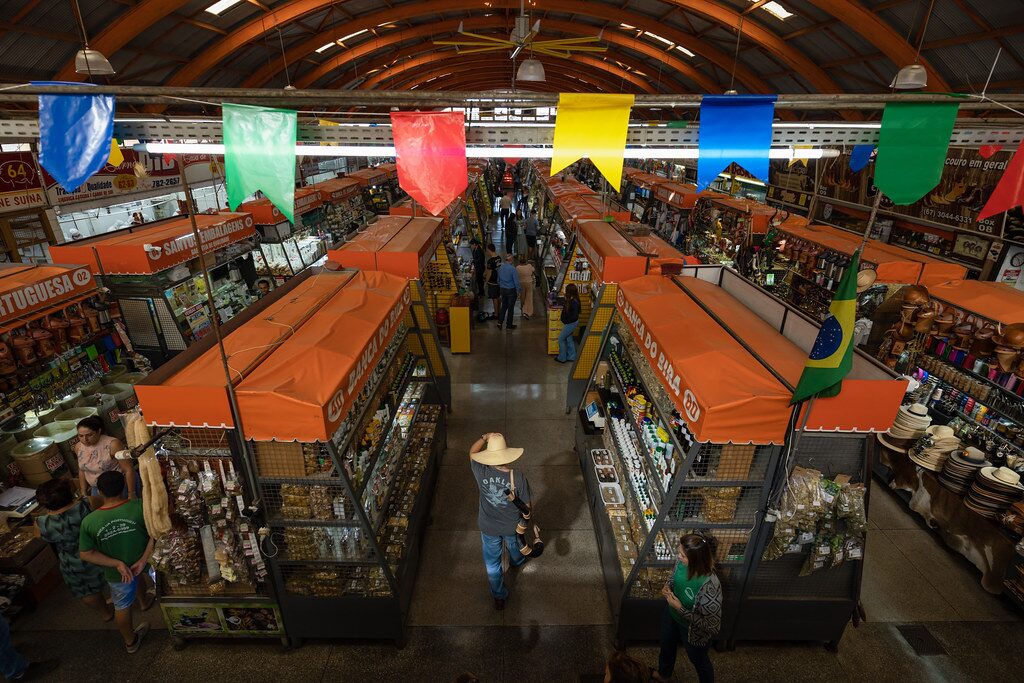
Campo Grande received immigrants from various parts of the world, who helped shape the local culture to become one of the most diverse in Brazil. Some of the people who immigrated to the region were Japanese, Paraguayans, Portuguese and Lebanese.
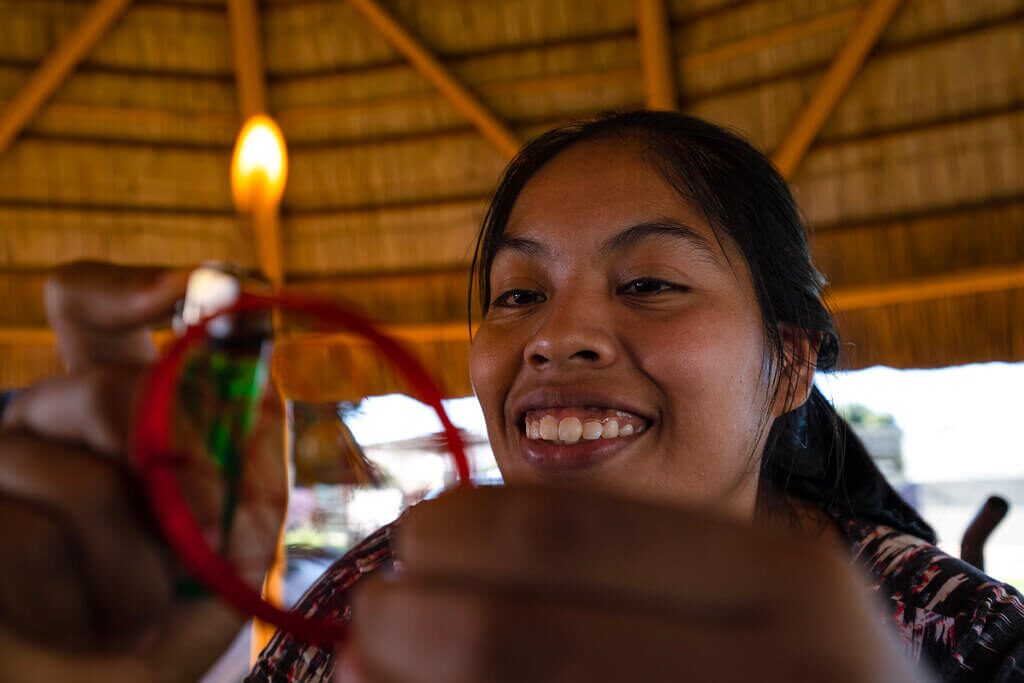
The indigenous influence is also quite significant in the region. Mato Grosso do Sul has one of the largest indigenous populations, which is reflected in the local handicrafts, some of which are listed as intangible heritage sites.
The idyllic charm of Campo Grande
For those who want to enjoy the countryside without being far from the city, Campo Grande offers excellent facilities in ranches and farms with day use. Visitors have the opportunity to go horseback riding, have a farm-style breakfast, swim in the river, interact with rural animals and relax in hammocks.
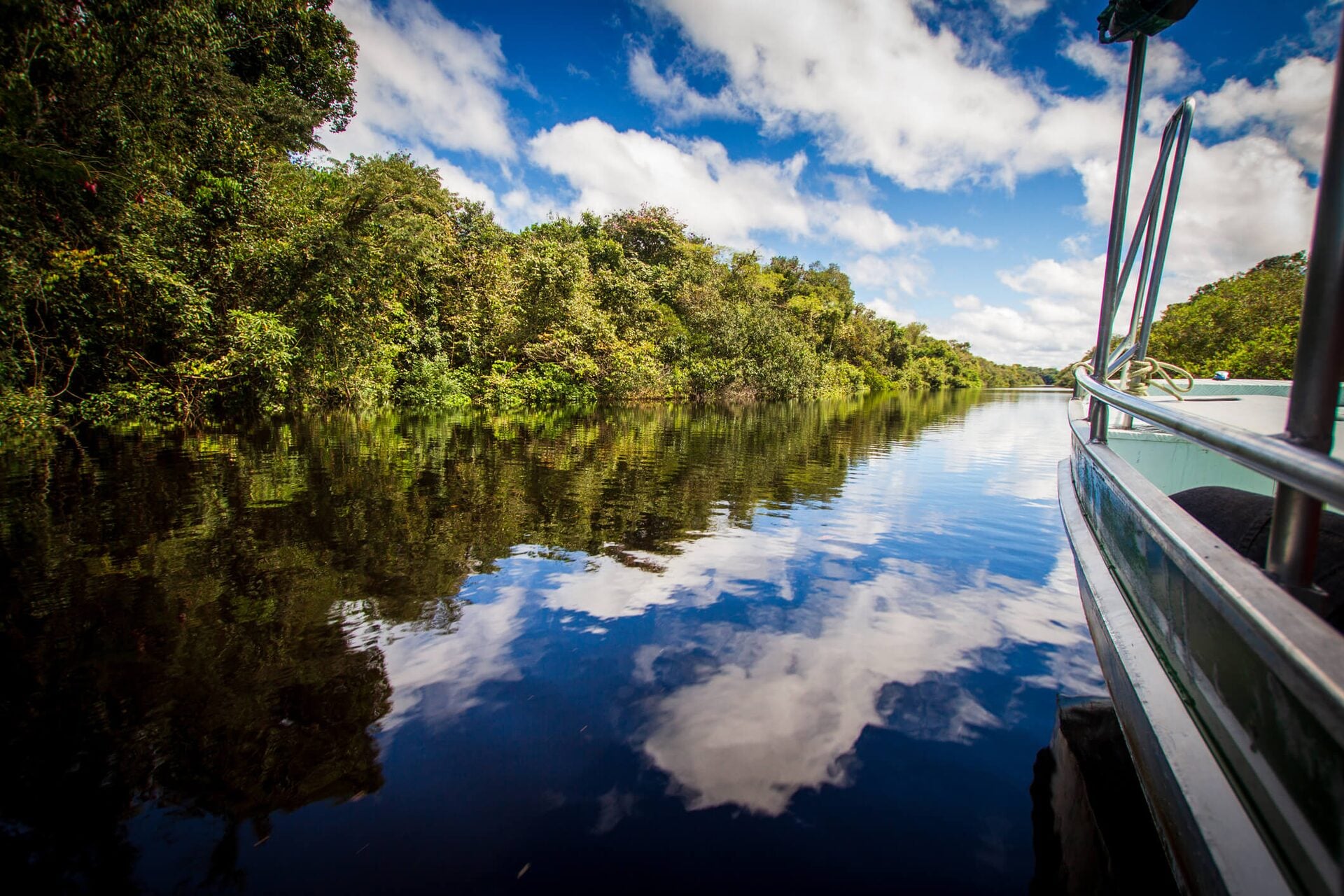
Campo Grande invites visitors to immerse themselves in the heart of rural tourism, where the authenticity of country life intertwines with the lush nature of the Pantanal in Mato Grosso do Sul. The farms and ranches around the city open their doors to a genuine experience, where you can participate in activities typical of the Pantanal culture, such as horseback riding through stunning landscapes, observing local fauna and flora, and immersing yourself in the routine of rural properties. The regional cuisine and the warm hospitality of the Pantanal residents complete this journey, providing memorable moments amidst the tranquility and natural beauty of the countryside.
Indigenous roots in the Pantanal
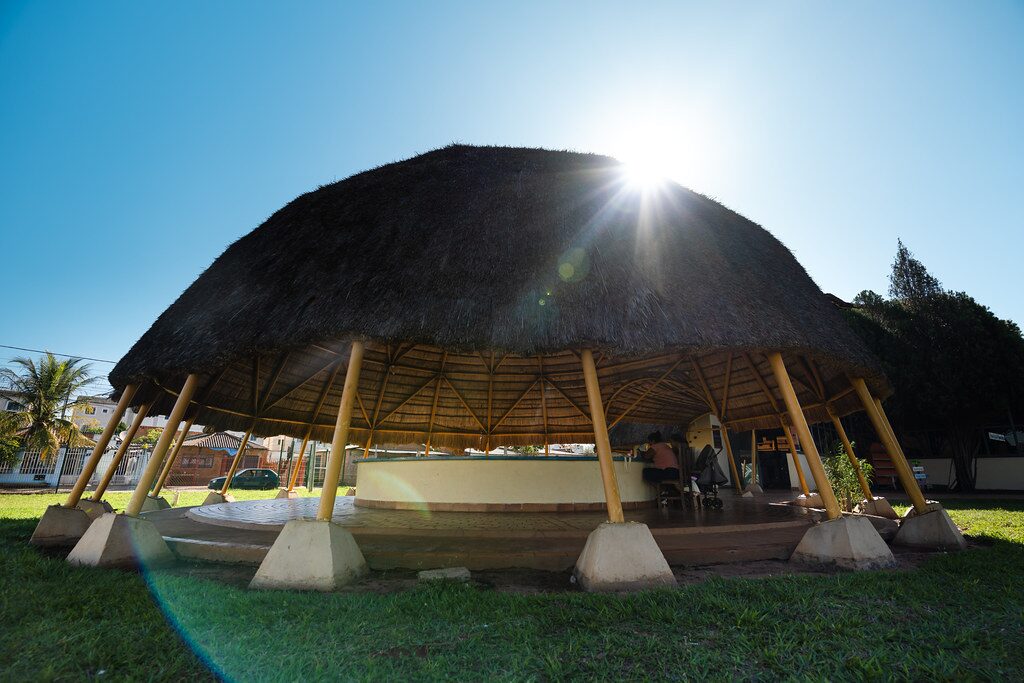
In Campo Grande, indigenous culture is very strong. The crafts, for example, feature beautiful pieces, such as ceramics, bows and arrows, fans, lace and embroidery, cow horns (horns made from cattle used in livestock farming) and dolls. You can find all of this at the Casa do Artesão, a historical and cultural heritage site of Mato Grosso do Sul.
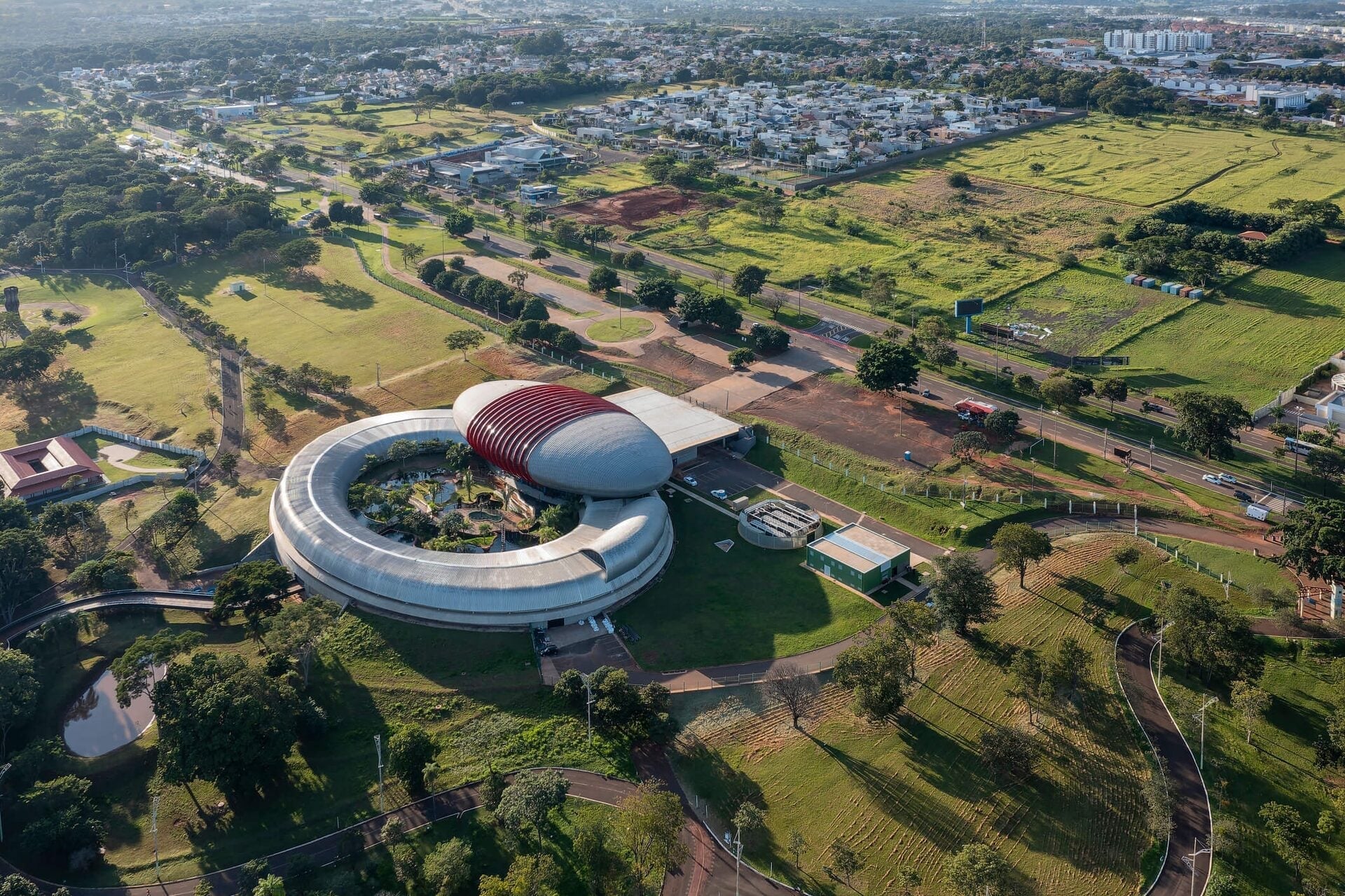
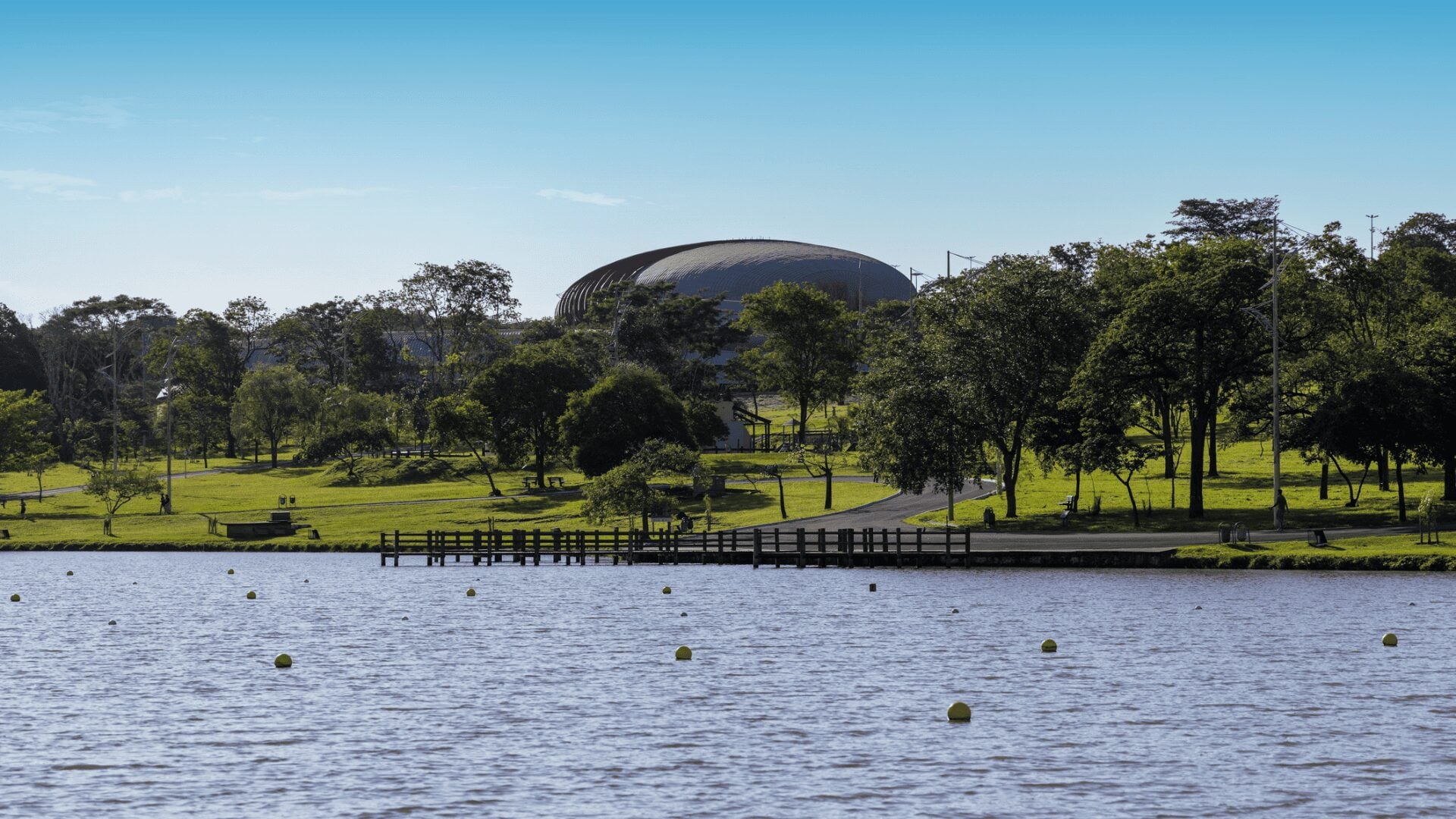
In the city, visitors have the chance to visit a village in the middle of the urban space. It is the Memorial of Indigenous Culture, a place where indigenous products are sold, and where more than 100 indigenous families also live. The Parque das Nações Indígenas is also a space that values this community and is home to the Monumento ao Índio, the Museu de Arte Contemporânea and the Museu das Culturas Dom Bosco. You can also visit the Igreja de São Francisco de Assis, whose stained glass windows tell the story of Saint Francis.
Tasting the flavors of Campo Grande
The variety of flavors delights everyone who visits Campo Grande. Full of beauty, the city is one of the stopping points for tourists who have Pantanal or Bonito as their final destination. A great suggestion for those passing through the capital of Mato Grosso do Sul is to spend a few days in the city and experience the region's gastronomic delights.
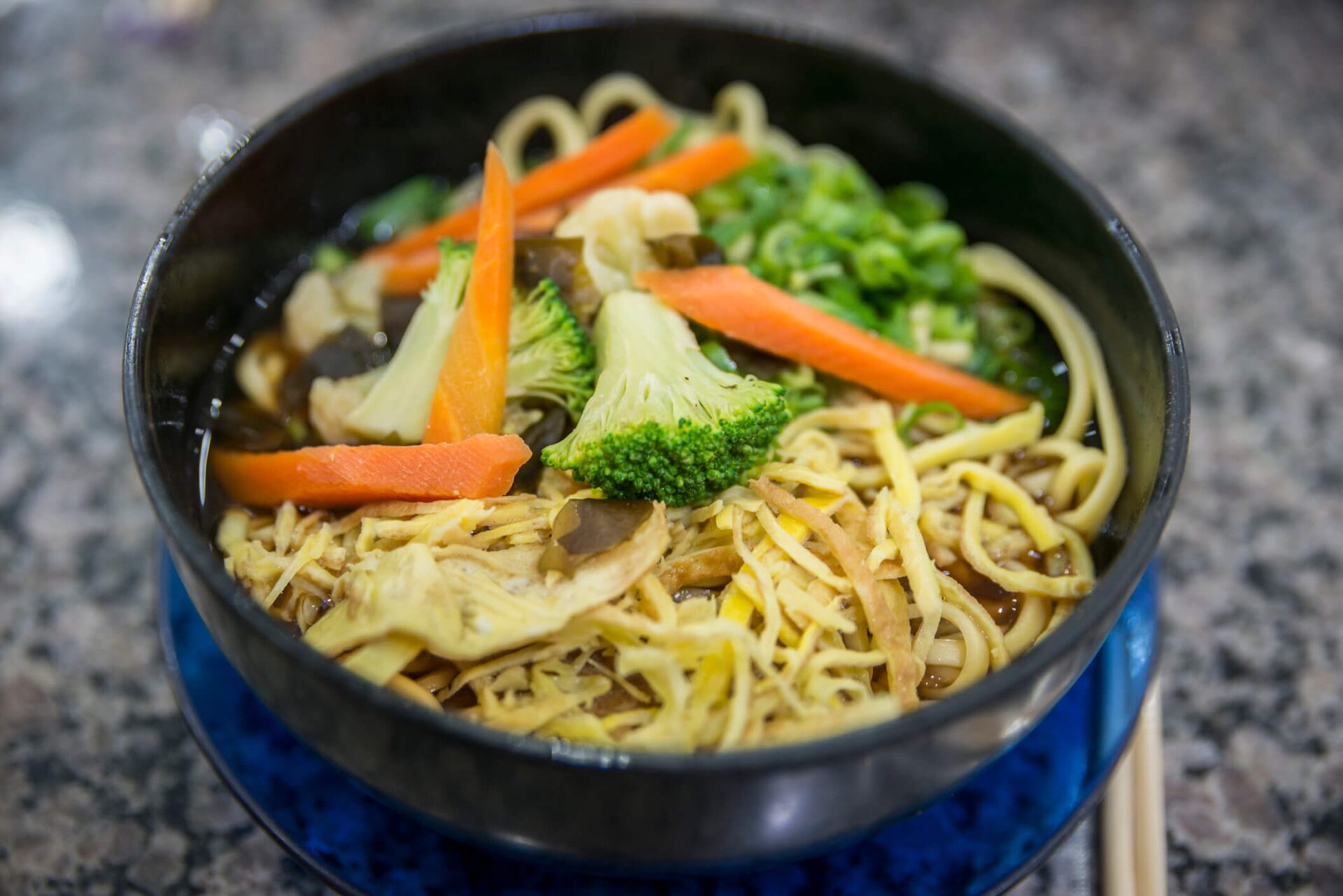
The city has a unique mix of flavors, being home to the second largest community of Brazilian indigenous people and Japanese immigrants, and also because it borders Bolivia and Paraguay. And the result of this mixture is evident in the cuisine. In places like the Feira Central, you can enjoy delicious dishes and drinks such as tereré (iced herbal tea), sopa Paraguaia (which is actually a tasty corn pie made with cheese and onion), soba (a noodle soup, omelet and parsley seasoned with chives) and locro (a pumpkin soup with beans and corn).
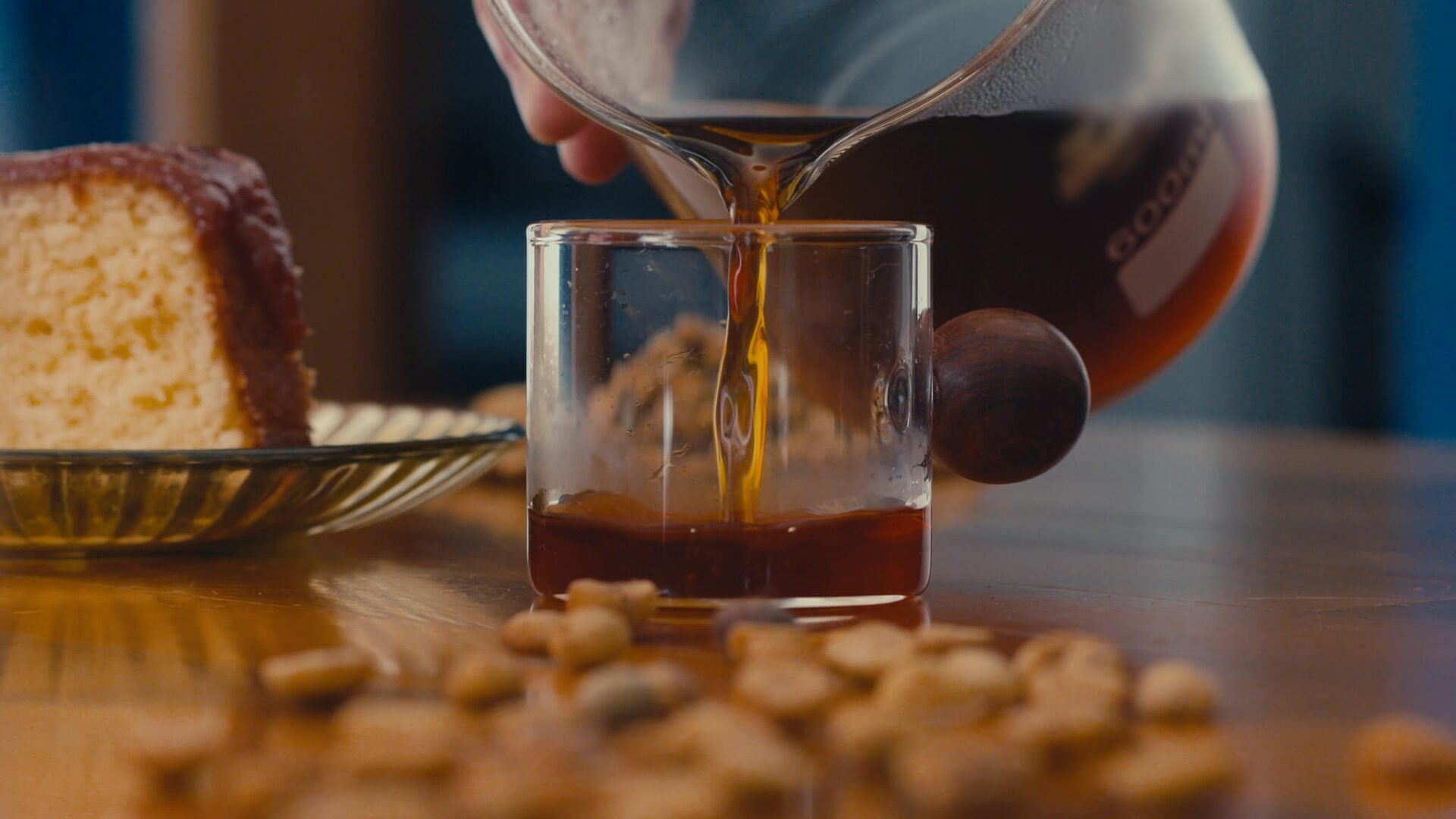
A must-see for those who want to fully immerse themselves in Campo Grande's cuisine is the Mercado Municipal Antônio Valente, one of the city's most traditional food markets. There you will find a wide variety of items such as fruits, vegetables, fish, spices, sweets, flours, coffees, cachaça (a popular distilled alcoholic beverage in Brazil) and much more.
One of the highlights of the market are the snack bars that sell fried pastries, consisting of a thin crust dough in the shape of a semicircle or rectangle with various fillings. There are several filling options such as buffalo mozzarella and roast beef with plantain.
Without a doubt, Campo Grande will surprise you with its rich cuisine and explosion of flavors!
The dark city, as it is affectionately called because of the red tone of its soil, will show you how captivating it is. Plan your trip!