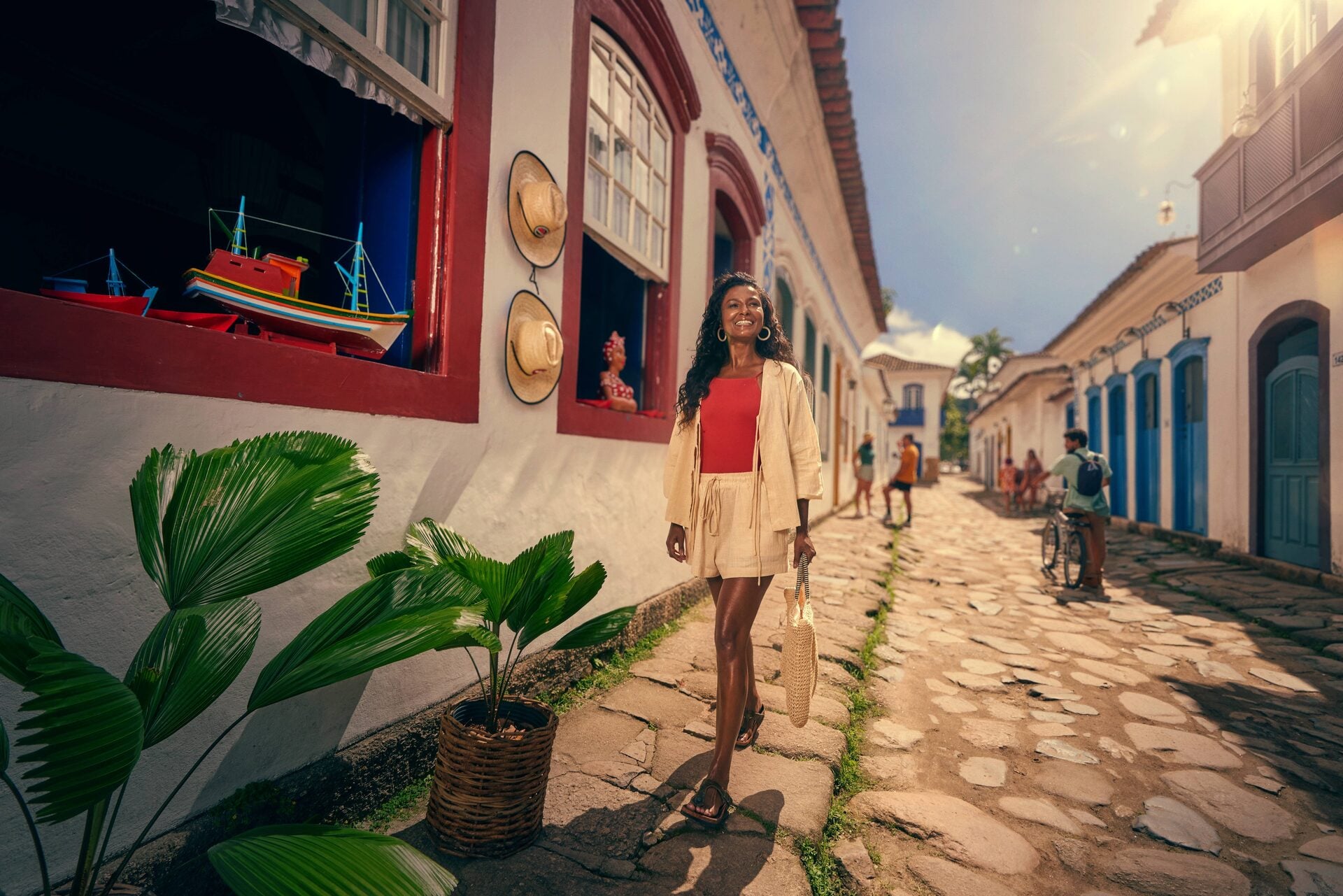
Paraty: A Colonial Gem Shaped by Nature
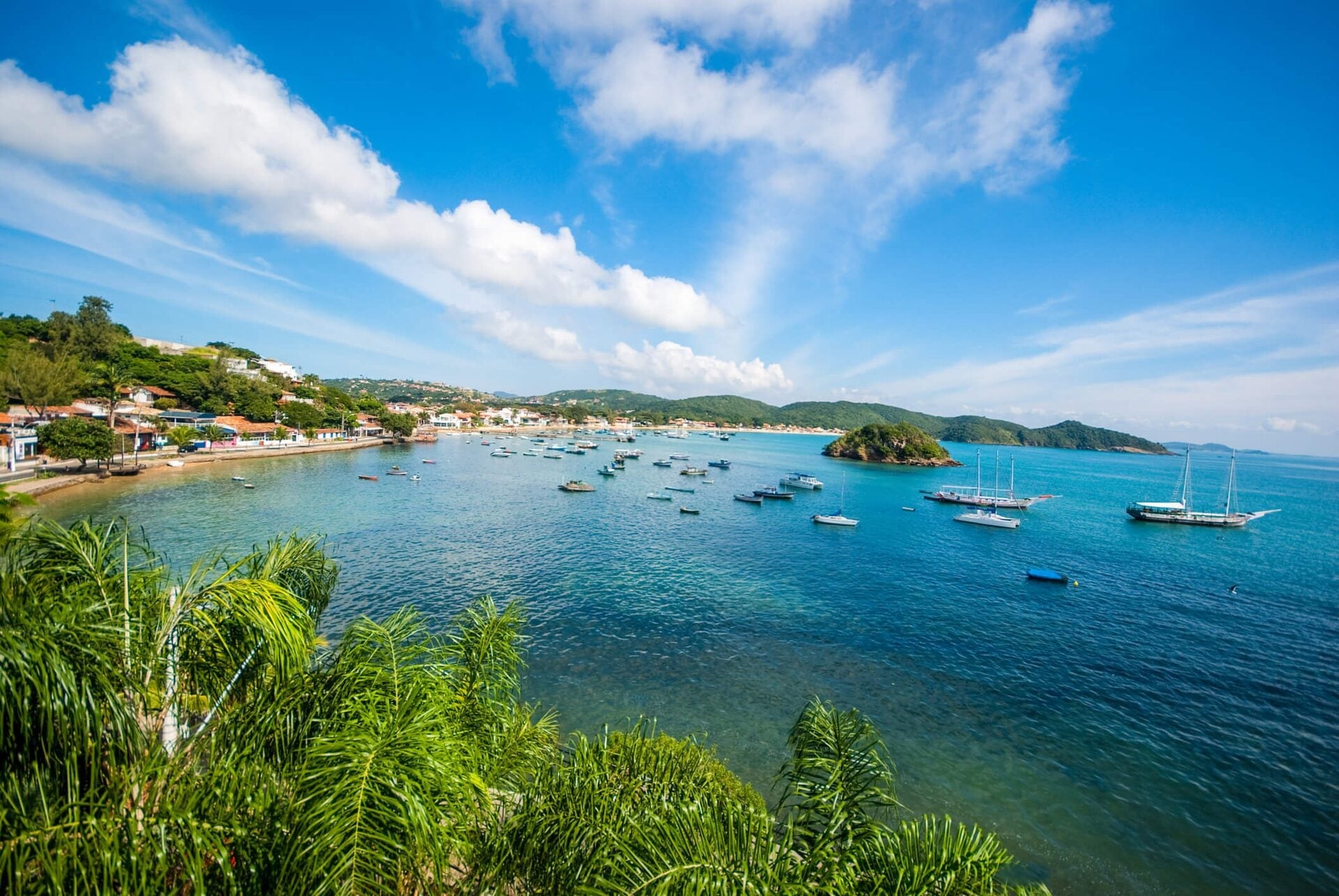
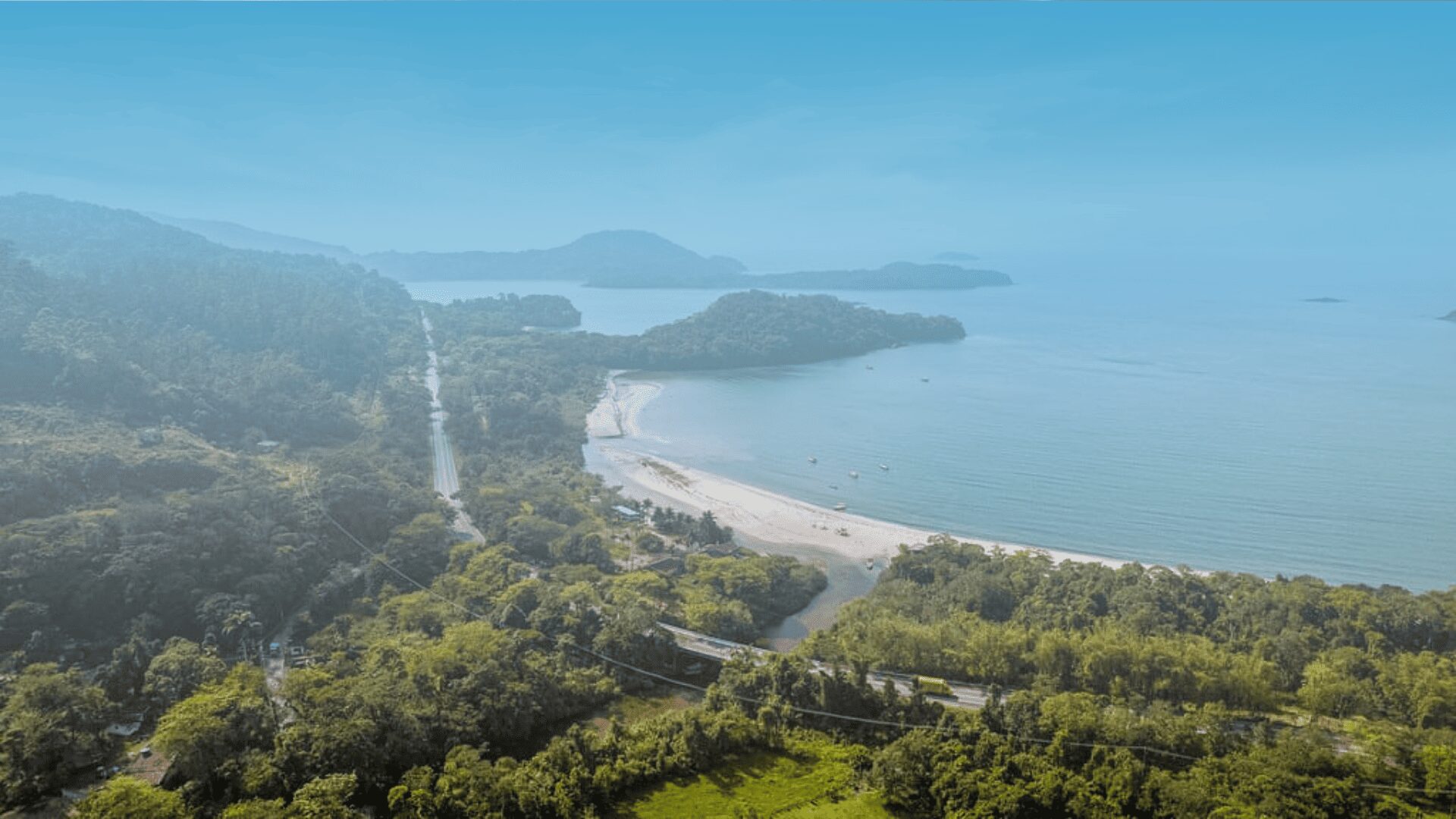
Nestled between the Atlantic Forest-covered mountains and the calm sea of Southeastern Brazil, Paraty stands out as one of the country’s most enchanting destinations. It’s a delicate blend of preserved nature, colonial heritage, and an atmosphere that invites you to slow down and take it all in. Here, time seems to slow down, allowing every detail to be felt: the golden light reflecting on colorful facades, the rhythmic sound of footsteps on stone streets, and the peaceful ebb and flow of the bay’s waters.
Founded in the 17th century and recognized as a National Historic Landmark — and, since 2019, a UNESCO World Heritage Site for both its cultural and natural significance — Paraty preserves the living memory of a Brazil that has endured through the centuries. At the same time, it radiates vibrant, creative energy, expressed through its cuisine, artistic spirit, cultural events, and immersive outdoor experiences. It’s a place that enchants with beauty, surprises with authenticity, and leaves a lasting mark on the hearts of those who experience it.
Fun facts
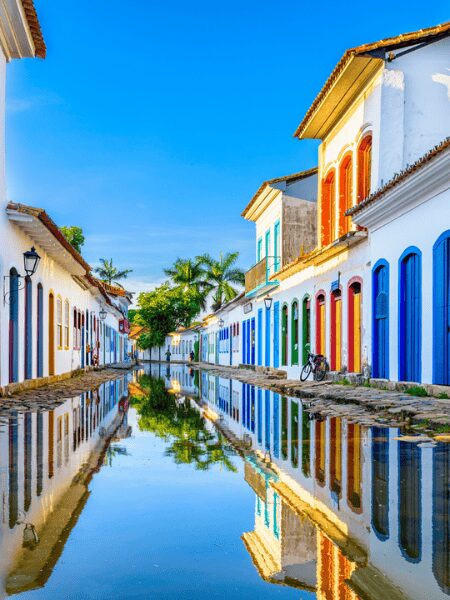
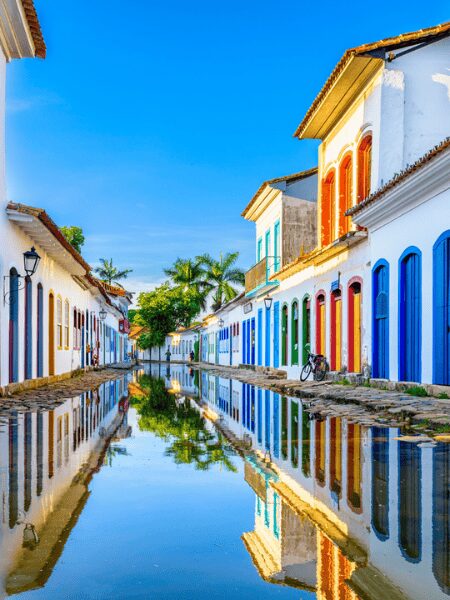
The layout of Paraty’s Historic Center was ingeniously designed so that, during high tides, seawater would gently flow through certain streets — naturally helping to cleanse the city.
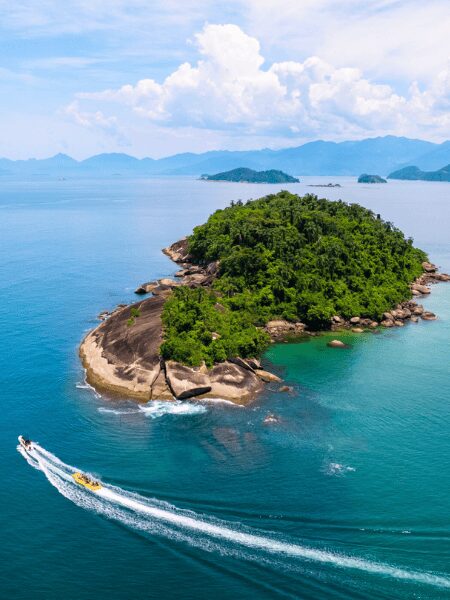
Paraty Bay is considered one of the richest areas along the Brazilian coast in both cetacean diversity and population density.
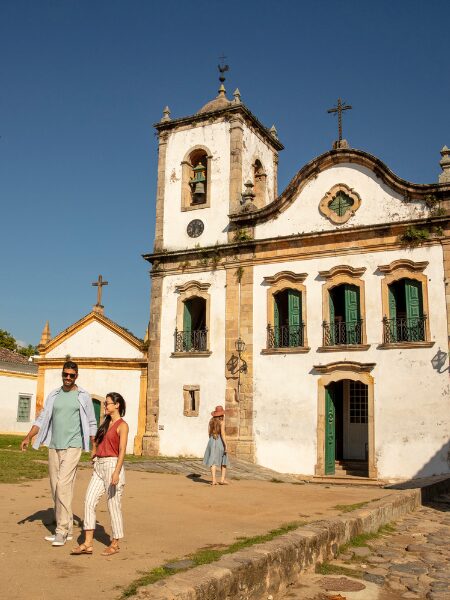
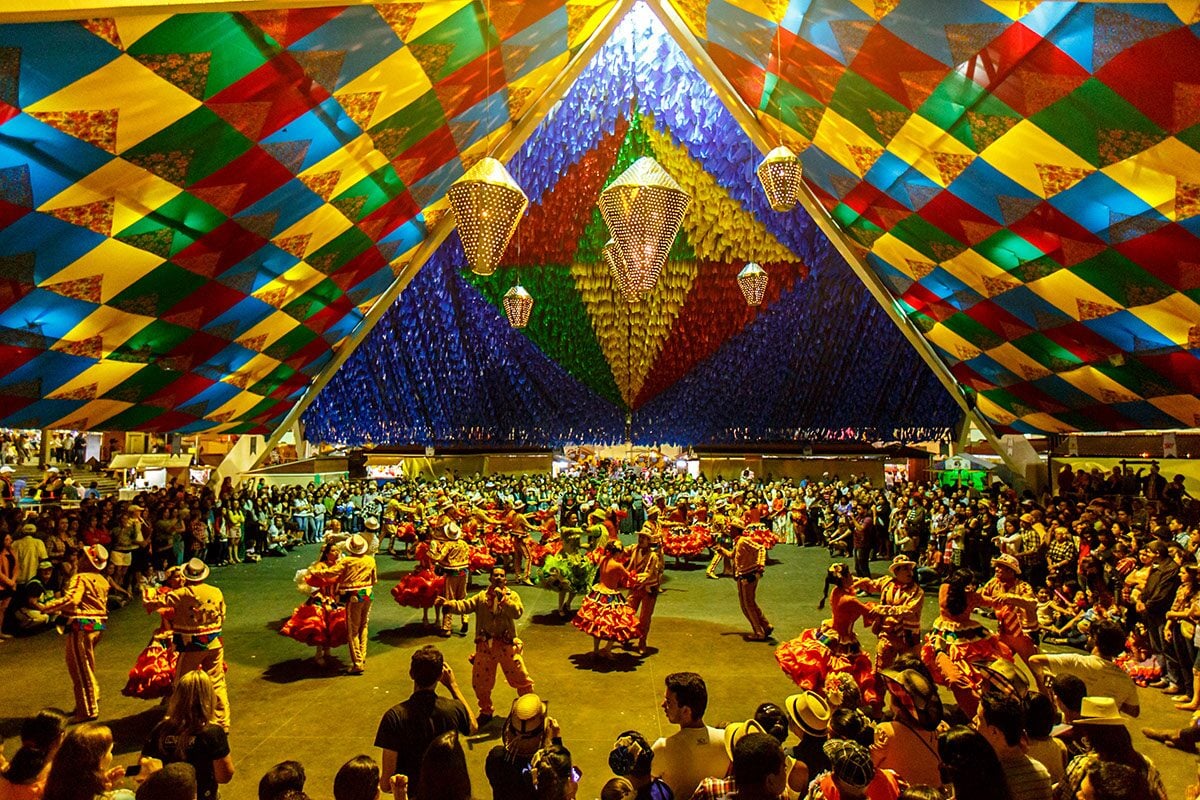
Recognized as Brazilian Cultural Heritage by IPHAN, the Festa do Divino transforms Paraty into a vibrant celebration of faith, tradition, and community. With roots dating back to the 18th century, the festival brings locals and visitors together for ten days of festivities, marked by devotion, music, and unique folkloric expressions.
Historic Center: Where the Past Still Walks Besides You
Strolling through Paraty’s Historic Center feels like stepping into a place where time has chosen to linger. The stone-paved streets are lined with well-preserved colonial buildings, forming a harmonious architectural ensemble that blends seamlessly with the natural surroundings. Brightly colored doors, white-framed windows, and wooden details tell stories carried across centuries with charm and identity.
Among Paraty’s most iconic landmarks is the Church of Santa Rita, built in 1722. Facing the sea and often framed by traditional fishing boats, it now houses the Museum of Sacred Art of Paraty and remains one of the city’s most photographed postcards. Another must-see is the Casa da Cultura, set in a beautifully restored 1754 mansion. With a vibrant program of exhibitions, events, and educational activities, the space celebrates local heritage while encouraging contemporary artistic dialogue.
As night falls, the city takes on a special glow. When the tide rises, the water gently flows certain streets, creating natural mirrors that reflect the soft light of old lanterns. A subtle, poetic spectacle that makes Paraty even more magical under the starry sky.
Saco do Mamanguá: Brazil's Tropical Fjord
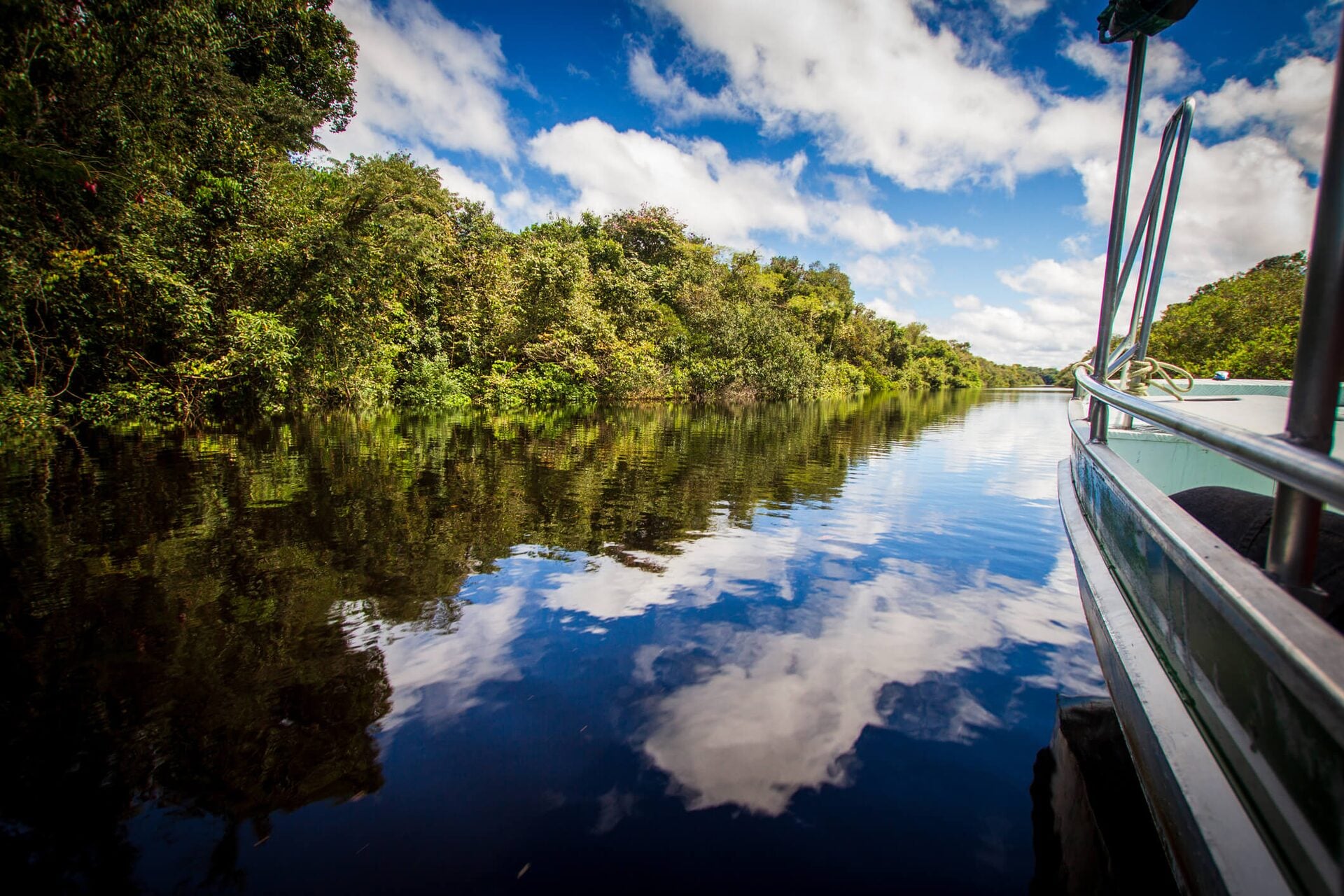
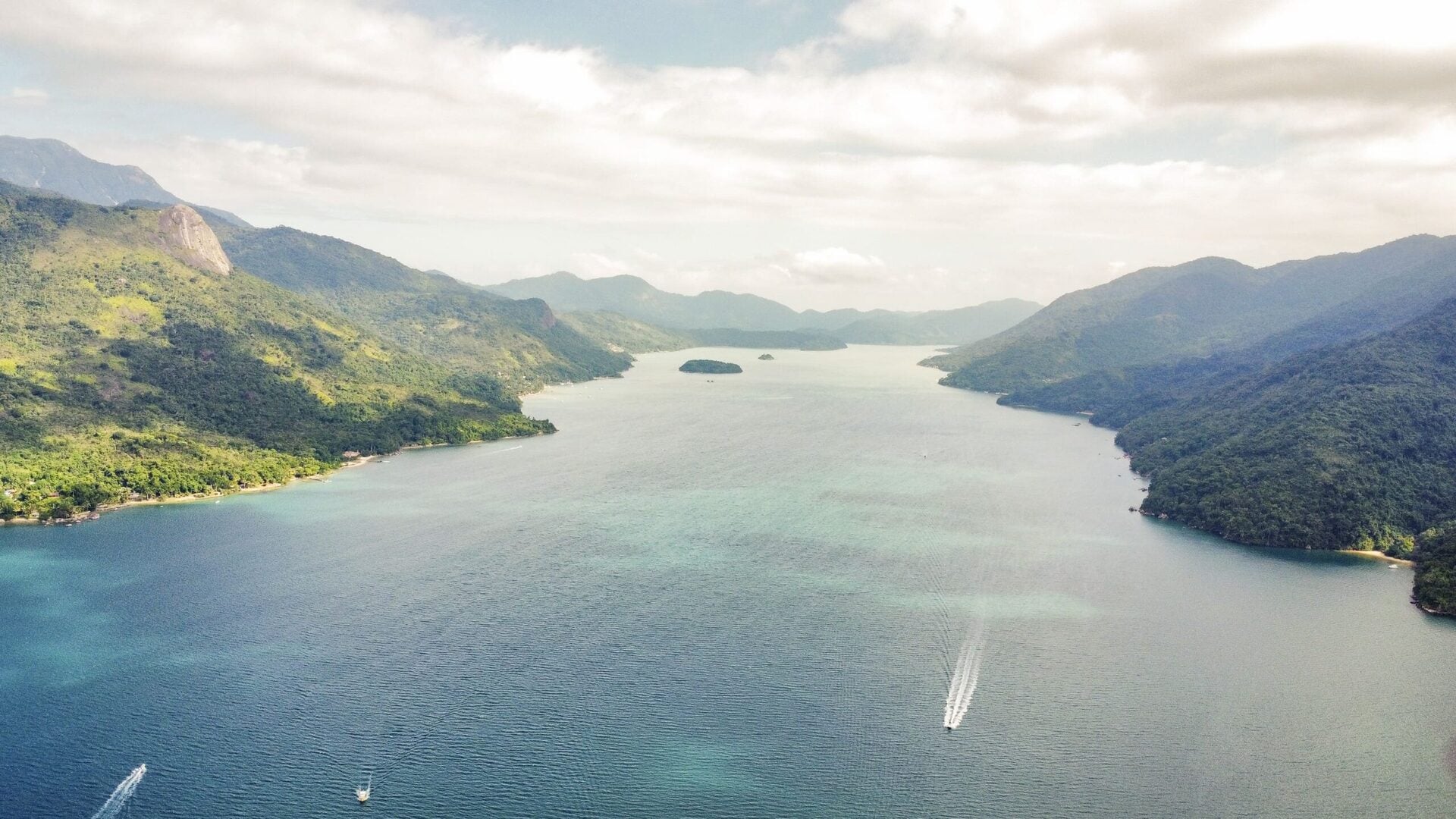
A boat trip through the Saco do Mamanguá feels like stepping into another world. Stretching 8 kilometers in length and 2 kilometers in width, this inlet is considered the only tropical fjord in Brazil — a hidden gem nestled between the stillness of the forest and the whisper of the sea.
As you sail its calm waters, you’ll encounter secluded beaches, forest trails leading to scenic viewpoints like the Pão de Açúcar do Mamanguá Peak, and a remarkably preserved biodiversity. From the top, the view reveals the fjord in all its grandeur, embraced by lush Atlantic rainforest — an untouched, almost sacred landscape that invites a deep, mindful connection with nature.
Alive, Authentic, and Ever-Present
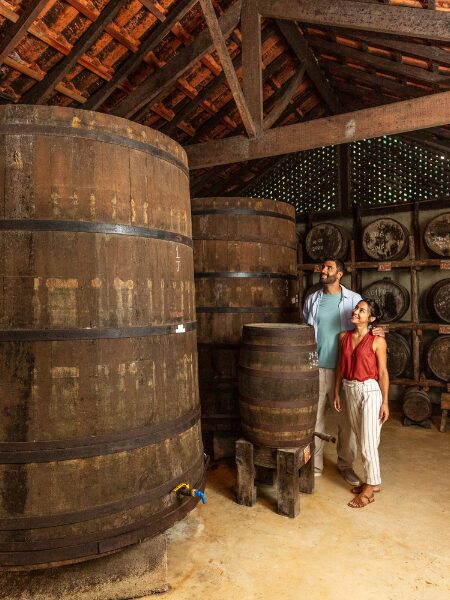
Paraty doesn’t just preserve its history — it celebrates it every day. The city is a cultural hub where tradition and creativity go hand in hand. Its most iconic events, like FLIP – the Paraty International Literary Festival – and the Festival of Cachaça, showcase a vibrant artistic scene that also thrives in the streets, in religious festivities, music gatherings, and local traditions. Art studios, spontaneous performances, and handmade crafts reveal that in Paraty, art isn’t confined to museums — it’s part into everyday life.
Nature in Its Purest Form
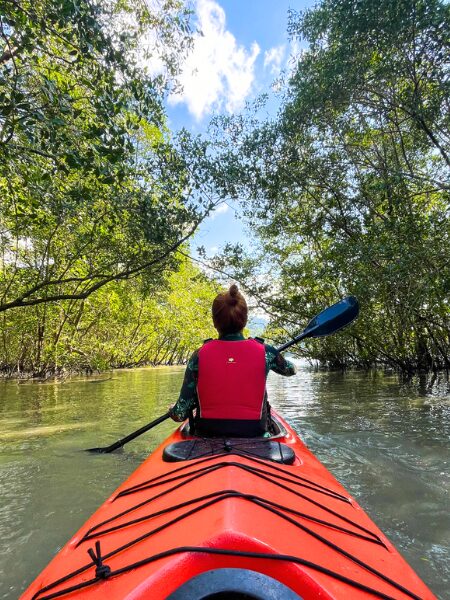
Paraty is the perfect starting point for those in search of outdoor adventure. Trails through the Atlantic Forest lead to waterfalls, natural pools, and unforgettable lookouts. The bay’s calm waters are ideal for kayaking, snorkeling, or sailing to deserted islands. For the curious traveler, there are also routes that combine hiking, biking, and birdwatching, revealing the region’s impressive biodiversity. All this set against landscapes that feel straight out of a movie — wild, authentic, and unmistakably Brazilian.
Where Calm Becomes the Destination
Despite so much to see and do, Paraty also embraces stillness. It’s a place for silence, for pausing, for breathing deeply. Whether you’re resting in a forest-framed guesthouse, swaying in a hammock overlooking the sea, enjoying a massage with local oils, or simply walking along the beach at sunset, the city softly invites you to slow down. Here, there’s no need to rush — time flows with the rhythm of the tides, the breeze, and your own pace. And that, in itself, is a rare luxury.